A Beginner’s Guide to Using Drones for Environmental & Ecosystem Monitoring
In the heartlands of Maharashtra, a forward-thinking farmer named Ramesh stood watching the sky not just for signs of rain but for his drone’s return. For years, Ramesh had battled unpredictable rainfall, degrading soil, and nearby deforestation. Like many others, he once thought drones were only for tech companies and filmmakers. But ever since he discovered drones for environmental & ecosystem monitoring, his approach to land and water management transformed entirely.
Let’s dive into how drones are transforming environmental and ecosystem monitoring for farmers and researchers alike.
Using Drones for Environmental Monitoring
Environmental monitoring is all about keeping an eye on our natural resources like water, soil, forests, and the rich variety of life around us to spot changes and stop any harm before it happens. In the past, this process was labor-intensive, time-consuming, and often required expensive gear. But now, thanks to Agri drones, we have a much smarter and faster way to do it.
With drones from Garuda Aerospace, Ramesh can now survey his entire farm, the nearby water bodies, and even the surrounding forest areas in just a matter of minutes. These UAVs (Unmanned Aerial Vehicles) allow him to monitor rainfall runoff patterns, soil moisture levels, and signs of vegetation stress, all through real-time aerial images and multispectral data.
Drones in Environmental Data Collection
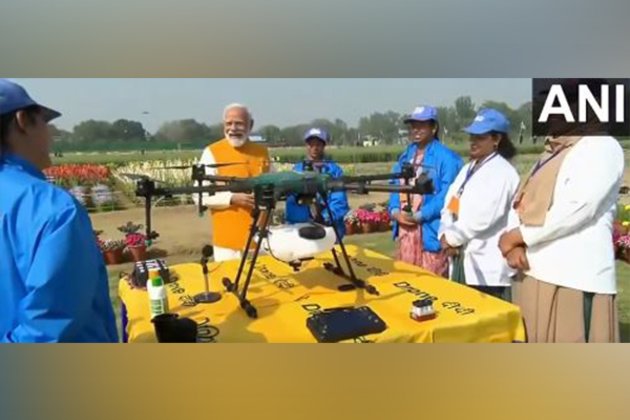
At a district-level agricultural fair, Ramesh was introduced to two game-changing drone models by Garuda Aerospace:
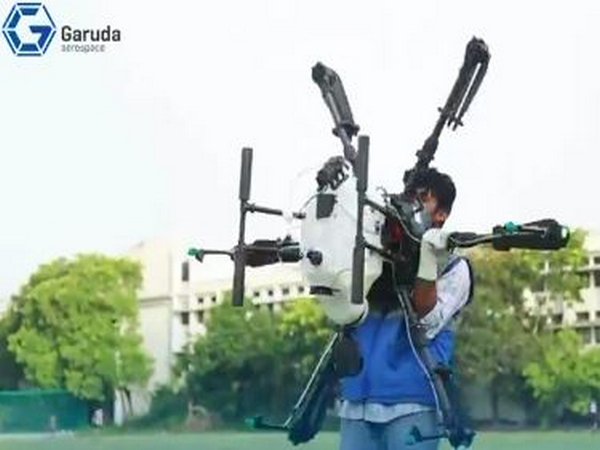
Kisan Drone
Best for: Agriculture & environmental field scanning
Area Coverage: Up to 35 acres per day with multiple batteries
Camera: Multispectral sensors with thermal imaging
Features: GPS guidance, real-time monitoring, terrain detection, and auto-return safety system
Droni Drone
Best for: Close-range environmental and ecosystem observation
Coverage Range: Up to 5 km radius
Camera Quality: 1080p HD video with image stabilization and gimbal support
Flight Duration: Up to 28 minutes
Using both drones, Ramesh could now monitor water levels in village ponds, scan nearby hills for landslides, and even detect early signs of deforestation.
Precision Monitoring and Data Collection

Garuda’s drones come packed with high-resolution cameras, and smart sensors, making it possible to map out land and water systems with pinpoint accuracy. Ramesh used these tools to create maps of his field and the surrounding hills, allowing him to identify areas at risk of erosion, spots prone to waterlogging, and dry patches with remarkable precision. This kind of information gives farmers the power to make informed decisions whether it’s about where to plant crops, where to apply organic fertilizers, or where to construct check dams or trenches.
What Are the Advantages of Environmentally Friendly Drones?
Environmentally friendly drones like those from Garuda are battery-powered, meaning zero direct emissions and minimal disturbance to the natural ecosystem. Here’s how they help:
Reduce carbon footprint compared to diesel-operated equipment
Minimize soil compaction, preserving soil health
Targeted resource use less water, less pesticide, and better results
Silent monitoring ideal for wildlife observation or forest scanning
Reusable, rechargeable, and long-lasting tools for sustainable agriculture
Garuda also offers AMC (Annual Maintenance Contracts) for drones like the Kisan Drone, ensuring continued performance for years to come.
Related Article:
The Best Environmental Monitoring Drone
There’s no one-size-fits-all, but here’s how to choose:
For large-area scanning, waterbody mapping, and precision agriculture, go for the Kisan Drone. With its high-end sensors and wide coverage, it’s ideal for big farms and watershed zones.
For close-range forest monitoring, wildlife observation, or village ecosystem studies, the Droni Drone is the perfect choice. Its compact size and full-HD imaging make it a top choice for short-range, high-detail environmental monitoring.
Why Farmers Shouldn’t Ignore Drone Technology

Ignoring drones means farmers miss out on:
Early detection of water and soil issues
Efficient resource use
Affordable environmental risk management
Timely, data-backed decision-making
In a world where environmental shifts can significantly affect crop yields and sustainability, adopting drones isn’t just a smart move, it's essential. Farmers who hesitate to embrace drone technology may find themselves lagging in both productivity and their commitment to environmental stewardship.
Additionally, Garuda Aerospace provides certified drone pilot training, empowering farmers and agri-entrepreneurs like Ramesh to become certified drone operators in line with India’s DGCA regulations. This comprehensive training encompasses everything from fundamental flying techniques to data analysis and understanding regulatory requirements.
Final Thoughts
Today, Ramesh doesn’t just grow crops he monitors his ecosystem. Thanks to Kisan Drone, he now tracks water bodies, scans for different vegetation, and even keeps an eye on the health of nearby forest cover. What started as a simple interest turned into a powerful environmental strategy.
As India faces increasing pressure on its natural resources, drones for environmental & ecosystem monitoring are essential tools for farmers, forest departments, and conservationists. With the support of Garuda Aerospace, India’s farmers can lead the charge in sustainable land and water management from the sky.