Best UAV for Agriculture: Enhancing Productivity, Sustainability, and Growth
The best UAV for agriculture is transforming the face of modern farming by combining precision, intelligence, and automation into one revolutionary tool. What was once dependent on guesswork and labor-intensive practices has now evolved into a high-tech ecosystem driven by data, efficiency, and sustainability.
Agricultural UAVs commonly known as drones are helping farmers across India and the world address some of the industry’s biggest challenges: unpredictable weather, labor shortages, pest infestations, and the need to produce more food with fewer resources. Backed by AI-driven analytics, high-resolution thermal imaging, and real-time data collection, drones are empowering farmers to monitor crops, manage water and soil, and optimize inputs with unmatched accuracy.
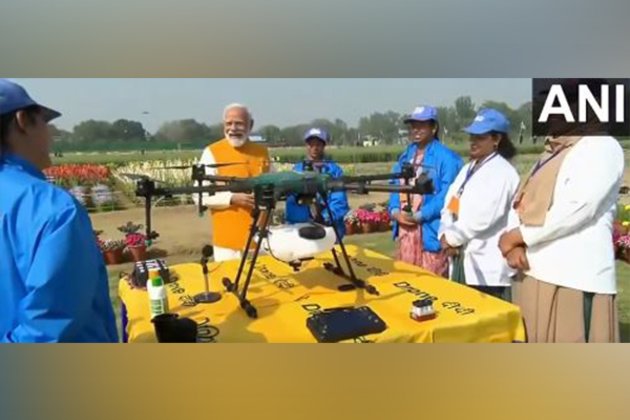
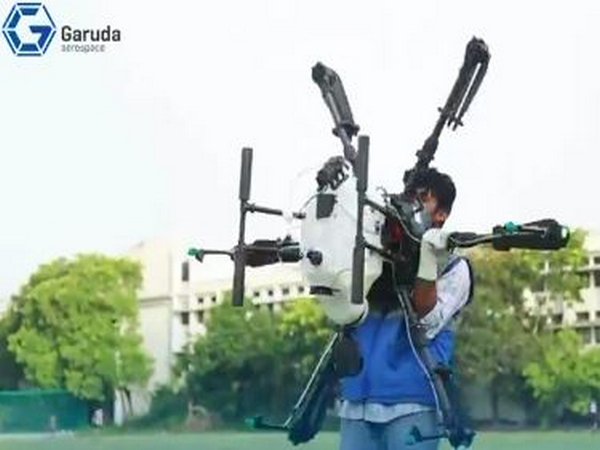
Indian drones like Garuda Aerospace are leading this transformation. With their fleet of advanced drones like Kisan and Droni Drones and DGCA-certified drone pilot training programs, Garuda is equipping farmers, agritech professionals, and young innovators with the skills and technology to build the farms of the future.
Revolutionizing Agriculture through UAV Innovation
The integration of UAVs in agriculture is much more than a technological upgrade—it’s a shift toward smart, data-driven farming. The Kisan Drone not only provides aerial imaging but also acts as a decision-support system, helping farmers make precise and timely interventions.
drones are now capable of mapping acres of land within hours, identifying irrigation issues, detecting pests before they spread, and even helps in spraying. This level of intelligence enables precision agriculture doing the right thing, at the right time, in the right place.Such innovations eliminate waste, increase yields, and conserve resources, supporting both profitability and environmental sustainability.
Soil and Water Management: Building the Foundation of Sustainable Farming
Healthy soil and efficient water use are the pillars of successful agriculture. UAVs have made it possible to monitor these crucial elements with scientific precision.
Drone uses multispectral and thermal cameras to capture detailed data about soil composition, temperature, and moisture levels. This data allows farmers to:
Identify water-stressed zones and areas of over-irrigation.
Adjust irrigation schedules to optimize water usage.
Detects soil degradation, salinity, and nutrient imbalance.
For instance, in drought-prone regions of Maharashtra or Rajasthan, farmers using drones can map fields to visualize moisture variations and fine-tune irrigation systems. This not only prevents water wastage but also improves crop resilience and reduces costs.
Livestock Management and Rebuilding the Green Earth
The role of drones in agriculture goes far beyond crop care; they are equally valuable in livestock monitoring and farm management.
Farmers managing large herds across vast lands can now rely on drones for aerial surveillance, herd counting, and behavior analysis. The Droni Drone can monitor animal movement, detect anomalies, and locate lost or injured livestock in real time.Drones equipped with thermal imaging cameras can detect elevated body temperatures, helping farmers identify illness before it spreads. In regions where open grazing is common, drones prevent overgrazing by mapping pasture conditions and monitoring vegetation health.This smart livestock management approach not only reduces manual labor but also enhances animal welfare, operational safety, and productivity.
The planting and reforestation capabilities of modern UAVs are reshaping the way farmers and environmental organizations restore degraded landscapes.Drones can carry seed pods and distribute them over large or inaccessible areas with remarkable accuracy. This innovation accelerates reforestation, supports afforestation projects, and enhances soil recovery after erosion or drought.
Harvesting and Post-Harvest Management: Precision to Profit
Timing is everything in agriculture, and UAVs play a crucial role in ensuring that harvests happen at the optimal moment.
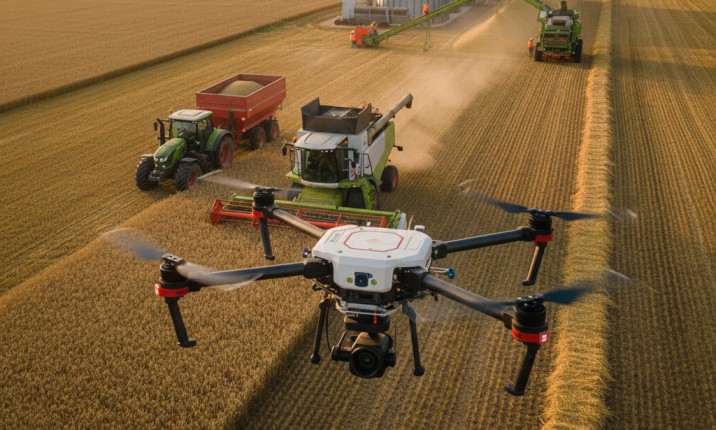
Using advanced imaging systems, drones capture real-time data about crop maturity, growth uniformity, and yield estimates. These insights help farmers plan harvest schedules accurately, ensuring that crops are picked when they’re at their highest quality and nutritional value.
Harvesting and Post-harvest drones also assist in mapping field residues, evaluating soil depletion, and preparing land for the next crop cycle. This data-driven approach not only boosts immediate profits but also ensures long-term soil productivity. For large-scale farmers, integrating UAV data into supply chain logistics helps align harvest planning with market demand, reducing post-harvest waste and improving pricing outcomes.
Environmental and Ecosystem Monitoring: Farming with a Green Vision
Agriculture and environmental conservation are deeply intertwined. Drones are becoming essential in maintaining this balance by providing real-time environmental data that supports sustainable farming practices. Drones can monitor biodiversity, track deforestation, and assess soil erosion. By analyzing these indicators, farmers can adopt practices that maintain high productivity while protecting ecosystems.
Garuda Aerospace’s UAVs can be used in reforestation projects, watershed monitoring, and biodiversity studies. These drones enable farmers and environmental agencies to visualize the long-term impact of agriculture on nature and make informed decisions to reduce carbon footprints and restore ecological balance. This level of monitoring ensures that agricultural progress goes hand in hand with sustainability, a vital goal in today’s climate-conscious world.
Construction and Infrastructure Monitoring in Agriculture
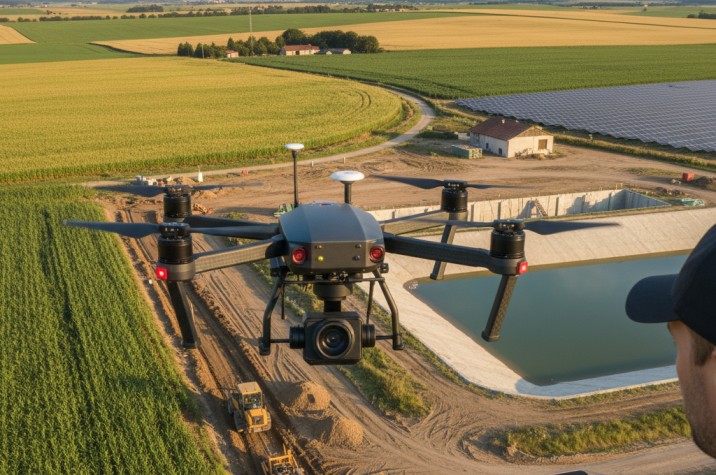
Infrastructure forms the backbone of agricultural operations from irrigation systems and greenhouses to rural roads and grain storage units. UAVs have become indispensable in surveying and maintaining these assets.
Drone can create accurate maps of terrain, monitors construction projects, and inspects farm infrastructure for maintenance needs. Drones can identify structural cracks, leaks in irrigation canals, or uneven land elevations that affect water distribution.
For agri-businesses investing in renewable energy infrastructure like solar panels or wind turbines drones also provide real-time inspection data without halting operations. This leads to significant time and cost savings.
By integrating UAVs into infrastructure monitoring, farmers ensure smoother operations, extended asset life, and better safety standards across agricultural facilities.
Protecting Lives and Agriculture: The New Era of Security, Safety, and Surveillance
Natural disasters such as floods, droughts, and wildfires can devastate agricultural communities. UAVs have emerged as critical tools for public safety and emergency response in such scenarios.
The best UAV for agriculture can be rapidly deployed to assess crop damage, identify flooded areas, or locate stranded animals and people. Equipped with infrared and thermal sensors, drones provide situational awareness during emergencies, helping authorities make quick, life-saving decisions.
UAVs have been actively deployed during flood relief operations and crop damage assessments. These drones are instrumental in surveying disaster-hit areas, delivering emergency supplies, and supporting rescue missions. With such capabilities, UAVs are not only protecting farms but also contributing to the broader goal of community safety and disaster resilience.
Security has become a major concern for modern farmers, especially those managing large-scale farms or valuable crops. The best UAV for agriculture is equipped with night vision, motion sensors, and live-streaming capabilities that allow farmers to monitor properties remotely. Automated flight routes ensure constant surveillance, while AI algorithms can detect unusual activity and send alerts instantly.
This advanced security helps prevent theft, vandalism, and unauthorized entry—ensuring peace of mind for farmers who can now safeguard their assets with cutting-edge aerial technology.
Drone Pilot Training: Empowering the Next Generation of Agri-Tech Professionals
Technology alone cannot transform agriculture — it requires skilled professionals who can harness its full potential. Understanding this need, Garuda Aerospace offers comprehensive DGCA-certified drone pilot training programs designed to equip individuals with the technical expertise and practical experience required to operate drones efficiently. Through these well-structured courses, Garuda ensures that aspiring pilots gain the knowledge, confidence, and real-world skills to support modern agricultural operations and beyond.
These programs equip individuals from farmers to engineers with the technical expertise required to operate and manage UAVs safely and effectively. The curriculum covers flight operations, maintenance, airspace regulations, and data analysis, ensuring that trainees are well-prepared for diverse applications in agriculture, defense, and logistics.
For farmers, drone pilot training opens new avenues of income. Certified drone pilots can not only manage their own fields more efficiently but also offer spraying, mapping, and surveillance services to neighboring farms creating micro-entrepreneurs in rural India.
Garuda’s training ecosystem is helping build a skilled workforce that can operate the drone for agriculture with confidence, precision, and professionalism. This human-technology synergy is what will truly propel India toward smart and self-reliant agriculture.
Economic and Social Impact of UAV Adoption
The economic impact of UAV integration in agriculture is profound. Farmers who adopt drones experience significant reductions in input costs, improved yield quality, and higher profit margins.
Cost Savings: Drones significantly minimize the wastage of fertilizers, pesticides, and water, ensuring resources are used more efficiently and sustainably..
Time Efficiency: Aerial surveys and spraying operations that once took days are now completed in hours.
Labor Optimization: UAVs reduce dependency on manual labor while increasing accuracy.
Government Support: Under the Sub-Mission on Agricultural Mechanization (SMAM) scheme, farmers can receive subsidies covering up to 50% of drone costs.
These advantages make UAV adoption not only a technological upgrade but also a financially smart investment. In addition, the growth of the drone ecosystem is creating new employment opportunities for drone pilots, maintenance engineers, data analysts, and service providers—fueling rural economic development.
Conclusion: The Future of Smart Farming
The best UAV for agriculture represents the fusion of technology, sustainability, and innovation that defines the future of global farming. From soil and water management to livestock care, planting, harvesting, and environmental monitoring, UAVs are now indispensable tools that ensure precision, efficiency, and profitability.
Garuda Aerospace is leading this transformation by combining drone manufacturing with drone pilot training, enabling thousands of individuals to harness aerial intelligence for real-world impact.As the agriculture sector embraces this digital revolution, UAVs are not just enhancing productivity, they're nurturing sustainability, empowering rural communities, and turning traditional farmlands into smart, connected ecosystems.