The evolution of drone technology has moved far beyond basic remote-controlled flying machines. Today, the integration of artificial intelligence is transforming drones into intelligent, autonomous systems capable of performing complex tasks with minimal human intervention. The rise of the AI powered drone is redefining industries ranging from agriculture and defense to logistics and infrastructure management.
This shift is not just incremental; it represents a fundamental change in how drones operate, analyze data, and make decisions in real time. As AI technologies continue to advance, drones are becoming smarter, faster, and more efficient, unlocking possibilities that were once considered futuristic.
Understanding the Concept of an AI Powered Drone
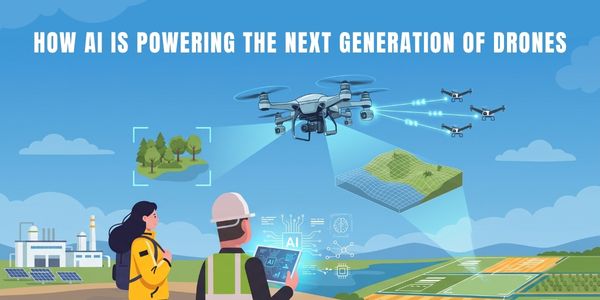
An AI powered drone is equipped with machine learning algorithms, computer vision, and advanced data processing capabilities that allow it to interpret its surroundings and act autonomously. Unlike traditional drones that rely heavily on human control, these drones can make decisions based on real-time data inputs.
This intelligence enables drones to identify objects, avoid obstacles, optimize flight paths, and even predict outcomes based on historical data. In essence, AI transforms drones from passive tools into active problem-solvers. To understand the full range of what modern drones are capable of today, explore the latest drone products built for both precision agriculture and industrial applications.
The Core Technologies Behind AI Powered Drones
Machine Learning and Deep Learning Machine learning allows drones to learn from data and improve their performance over time. Deep learning models, in particular, help drones recognize patterns, such as identifying crops, detecting defects in infrastructure, or tracking moving objects.
Computer Vision Computer vision is a critical component of an AI powered drone. It enables drones to process visual data from cameras and sensors, allowing them to "see" and interpret their environment. This is essential for applications like surveillance, mapping, and inspection.
Sensor Fusion Modern drones integrate multiple sensors, including GPS, LiDAR, thermal cameras, and ultrasonic sensors. AI combines data from these sources to create a comprehensive understanding of the environment, enhancing accuracy and reliability.
Edge Computing Instead of relying solely on cloud processing, many AI powered drones use edge computing to process data onboard. This reduces latency and enables real-time decision-making, which is crucial in time-sensitive operations like search and rescue missions.
Key Benefits of AI Powered Drone Technology
Enhanced Autonomy One of the most significant advantages of an AI powered drone is its ability to operate autonomously. These drones can take off, navigate, complete tasks, and return without constant human input.
Improved Efficiency AI algorithms optimize flight paths, reduce energy consumption, and minimize operational time. This leads to cost savings and increased productivity across industries.
Real-Time Data Analysis AI powered drones can analyze data as it is collected, providing immediate insights. This is particularly valuable in sectors like agriculture, where timely decisions can impact crop yield.
Increased Safety By detecting obstacles and predicting potential hazards, AI reduces the risk of accidents. This makes drones safer for both operators and the environment.
Applications of AI Powered Drones Across Industries
Agriculture: Precision Farming at Scale
The agricultural sector has been one of the biggest beneficiaries of AI drone technology. An AI powered drone can monitor crop health, analyze soil conditions, and optimize irrigation. Precision agriculture drones are purpose-built to handle exactly these demands — delivering crop monitoring, precision spraying, and data-driven farm intelligence at scale.
With precision spraying capabilities, drones ensure that pesticides and fertilizers are applied accurately, reducing waste and environmental impact. Farmers can also use AI insights to make data-driven decisions, improving yield and profitability. To see how precision agriculture solutions are being deployed as a service today, drone-enabled platforms are making it easier than ever for farmers to adopt this technology without heavy upfront investment.
Infrastructure Inspection
Inspecting infrastructure such as bridges, power lines, and pipelines can be dangerous and time-consuming. AI powered drones simplify this process by conducting detailed inspections and identifying defects with high precision. Industrial drones are increasingly deployed for such missions, combining rugged design with computer vision to detect cracks, corrosion, and structural issues that may not be visible to the human eye.
Logistics and Delivery
The logistics industry is exploring the use of AI powered drone systems for last-mile delivery. These drones can navigate complex urban environments, avoid obstacles, and deliver packages efficiently. AI ensures optimal route planning, reducing delivery times and operational costs.
Disaster Management and Search & Rescue
In emergency situations, time is critical. AI powered drones can quickly assess damage, locate survivors, and provide real-time information to rescue teams. Safety and security drone solutions are being actively deployed in such scenarios, enabling faster response times and safer operations in hazardous conditions.
How AI Enables Autonomous Decision-Making
The true power of an AI powered drone lies in its ability to make decisions independently. This is achieved through a combination of algorithms that analyze data and predict outcomes.
For example, in a surveillance mission, a drone can identify suspicious activity, track movement, and adjust its flight path without human intervention. Similarly, in agriculture, it can detect crop stress and recommend corrective actions.
This level of autonomy not only improves efficiency but also reduces the need for constant monitoring, allowing operators to focus on higher-level tasks.
Challenges Facing AI Powered Drone Adoption
Despite the numerous advantages, the adoption of AI powered drones is not without challenges.
Regulatory Constraints Drone operations are subject to strict regulations in many countries. Ensuring compliance while leveraging AI capabilities can be complex.
Data Privacy Concerns The use of cameras and sensors raises concerns about data privacy and security. Organizations must implement robust measures to protect sensitive information.
High Initial Costs Developing and deploying an AI powered drone can require significant investment. However, the long-term benefits often outweigh the initial costs.
Technical Limitations AI models require large datasets for training and may struggle in unfamiliar environments. Continuous improvement and updates are necessary to maintain performance.
Bridging the Skills Gap: The Role of Drone Pilot Training
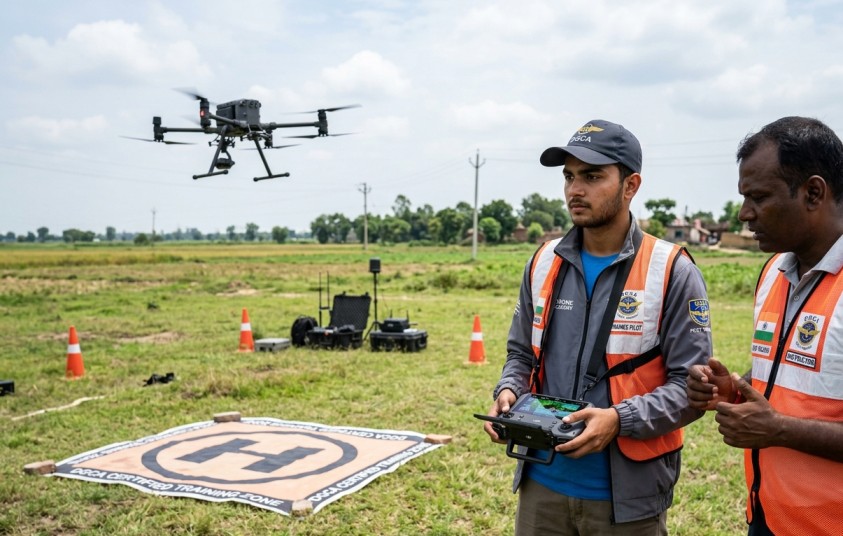
As AI powered drones become more sophisticated, the demand for skilled drone pilots and operators is rising sharply. It is no longer enough to simply own an advanced drone — operators need structured, certified training to safely and effectively harness AI-driven capabilities. DGCA-certified drone pilot training programs are playing a crucial role in building this workforce, equipping individuals with the practical skills needed to operate drones across industries, from agriculture to industrial inspections.
The Future of AI Powered Drones
The future of the AI powered drone is incredibly promising. Advancements in AI, 5G connectivity, and battery technology will further enhance drone capabilities.
We can expect drones to become more collaborative, working in swarms to complete complex tasks. Improved AI models will enable better decision-making, while enhanced sensors will provide even more accurate data.
Integration with other technologies, such as the Internet of Things (IoT) and blockchain, will create new opportunities for innovation and efficiency.
AI Powered Drones in Commercial Ecosystems
Businesses are increasingly adopting AI powered drones to gain a competitive edge. From improving operational efficiency to unlocking new revenue streams, these drones are becoming a strategic asset.
Companies are leveraging AI to automate workflows, reduce manual labor, and enhance data accuracy. This not only improves productivity but also enables better decision-making at every level. Drone-as-a-Service (DaaS) models are accelerating this adoption, making it possible for businesses to access cutting-edge drone capabilities without managing the underlying technology themselves.
Environmental Impact and Sustainability
AI powered drones are also contributing to sustainability efforts. By optimizing resource usage and reducing waste, they help minimize environmental impact.
In agriculture, precision spraying reduces the use of chemicals, while in logistics, optimized routes lower carbon emissions. These benefits align with global efforts to promote sustainable practices.
Conclusion
The integration of artificial intelligence into drone technology is revolutionizing the way we approach complex challenges. The AI powered drone is no longer a futuristic concept it is a practical, transformative tool that is reshaping industries worldwide.
From enhancing agricultural productivity to improving safety in high-risk environments, AI powered drones are unlocking new levels of efficiency and innovation. As technology continues to evolve, their impact will only grow, making them an indispensable part of the modern technological landscape.
Organizations that embrace this shift early will be better positioned to capitalize on the opportunities presented by AI-driven drone solutions. The next generation of drones is here, and it is intelligent, autonomous, and ready to redefine the future.