Garuda Aerospace | Blogs
Agriculture
Drone Pilot
Drone Technology
The days of herding cattle through dusty fields, squinting in the distance to catch a glimpse of a limping animal, or trudging miles to monitor water levels have become mere problems. Farmers and ranchers now have bigger problems to overcome, like managing bigger herds, more constricted labor availability, and maintaining standards for better animal welfare.
Traditional methods are no longer enough to solve these problems; moreover, they are time-consuming and demand hefty manual labour. Traditional methods of monitoring livestock are subject to mistakes, and are frequently stressful on the animals and those tending to them.
What if there’s a better way? What if a rancher could visit every cow, water trough, and pasture—in time for breakfast, without setting foot outside the porch?
Now, there is a better option. With drone technology in livestock management, farmers can track herds instantly, measure cattle health without handling them, and make quicker, data-informed decisions. This isn't fiction; it's already underway.
Welcome to the age of drone-based livestock monitoring, where unmanned aerial vehicles are changing the game for the livestock sector. And the movement is accelerating.
As per recent market projections, the agriculture drones market across the world stood at $5.35 billion in 2024, and the estimates varied from $9.54 billion by 2029 to $59.6 billion by 2035, indicating CAGR growth of 22% to 29%.
Such statistics indicate not only a trend but also a revolutionary change in how modern agriculture adapts to futuristic trends. Let's explore how drones are changing modern farming:
1. Herd Monitoring and Surveillance
Monitoring cattle and sheep over acres of pasture has always been challenging. With Garuda’s Kisan Agri Drone, this task is much easier and more precise. Thermal-imaging drones like the Kisan Drone can identify cattle concealed in heavy underbrush or lost after dark. That enhances real-time location tracking and mitigates the need for follow-up searches.
High-resolution sensors permit farmers to track animals from a distance and look for stress indicators, sickness, or injuries without upsetting them. Livestock monitoring by drone enables prompt locating of lost or at-risk livestock, affording ranchers a window to move before situations turn into complications. Such herding control takes anxiety out of management for animals while enabling speedy interventions and saves loss of production too.
2. Health Monitoring and Disease Detection
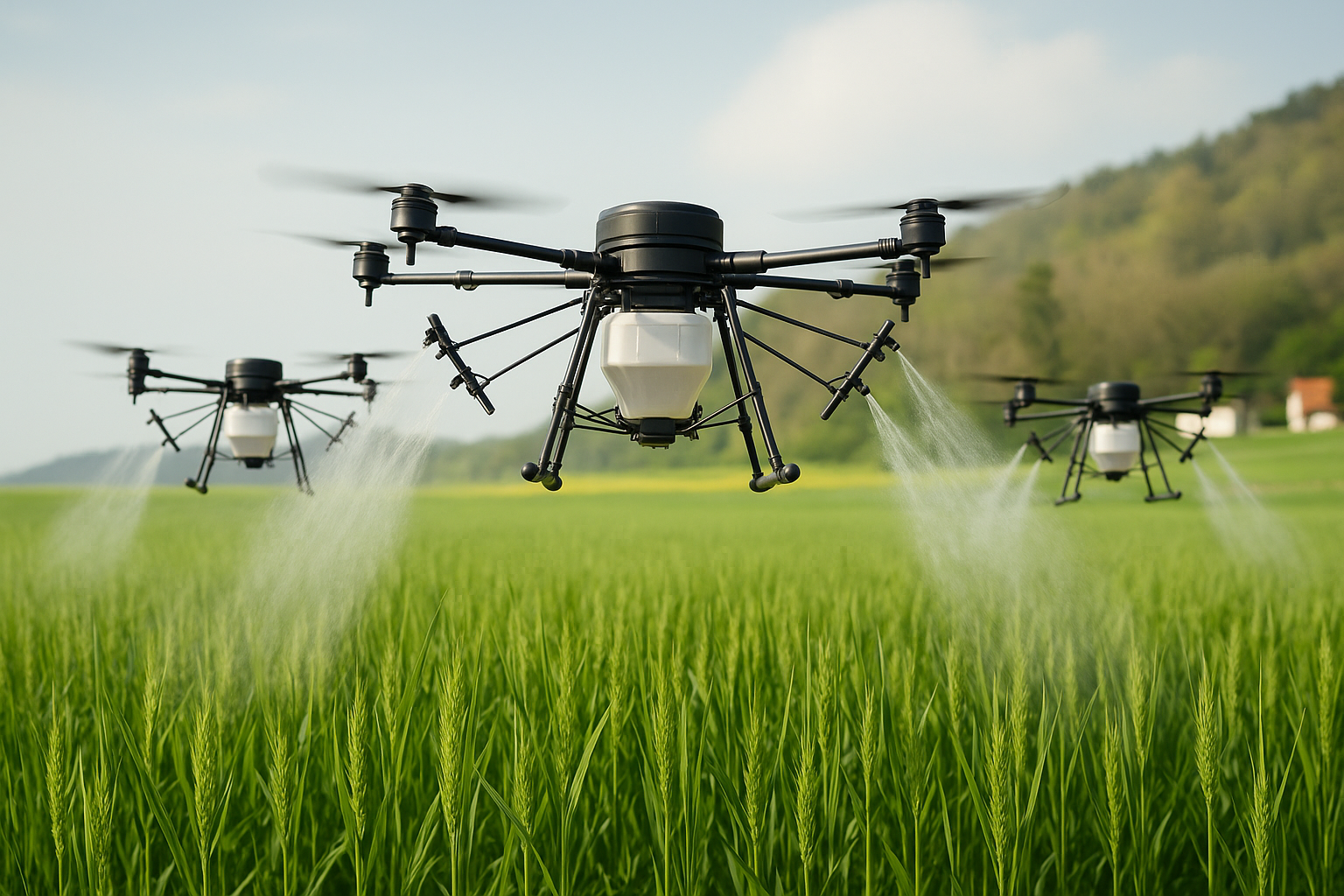
Early detection of potential health problems is important in having a healthy, productive herd. The old way is to do this through close physical examination, which is time-consuming and stressful to the animals.
Employing drones for livestock health monitoring turns things around. These advanced systems can survey the pasture, quietly gathering crucial information like:
Thermal imaging picks up on differences in body heat, pointing out febrile animals or infection before it becomes contagious.
Visual analytics enable drone pilots to gauge gait, posture, and weight distribution- indications of lameness or distress.
Drones with smart sensors collect information that can be later used by farm management software for predictive health analysis.
With this precision livestock farming technique, farmers and drone pilots can take proactive measures instead of reactive ones.
3. Herding and Movement
Drones are not just for watching. In certain contemporary livestock farms, they are an integral part of herding cattle across the terrain. Aerial herding with drones through sound and light assists in guiding cattle and sheep without the mayhem of barking dogs or motorbikes.
University studies are investigating AI-driven multi-drone coordination for safe and efficient livestock movement over varied terrain. This method reduces stress for ranchers and animals while enhancing herd overall health and efficiency of movement.
4. Pasture and Resource Management
Knowledge of land and resource use is essential in maximizing grazing habits and avoiding overuse of pastures. Aerial images by drones offer close-up views revealing pasture health and grazing effects.
Multispectral sensors measure vegetation cover and biomass, enabling farmers to modify grazing habits. Water source mapping provides livestock with consistent access to clean water with minimized waste and environmental footprint.
Data gathered by drones provides a degree of insight that was not previously possible without expensive surveys.
5. Security and Traceability
Current traditional livestock management methods need various inputs to protect farms against threats from predators, theft, and stray animals as well. Drone monitors guard the fences around farms, letting ranchers know in real time about any intruders or predators.
Advanced drones may be linked with RFID tags or visual markers for animal identification throughout their lives. Such systems not only enable farmers to identify missing animals promptly but also act as a theft deterrent.
Traceability also benefits consumers who want to know where the food is coming from.
6. Farm Asset and Infrastructure Monitoring
Running a farm is not just about the animals. There are watering points, fences, feeders, and soil sensors to monitor. Drones can inspect fence safety, detect leaks, or bird damage from above. They are also used to detect malfunctioning irrigation systems, allowing for quick repair and preventing water loss. Flight time metrics integrated with mapping can produce a complete picture of the farm’s infrastructure health.
To use these technologies effectively, it’s essential to undergo proper drone training and become a certified drone operator—this ensures safe operation and optimal use of drone
capabilities. These efficiencies reduce the need for manual inspection and help farm management run smoothly, giving farmers more time to focus on other urgent areas.
Advantages of Drone Technology in Livestock Farming
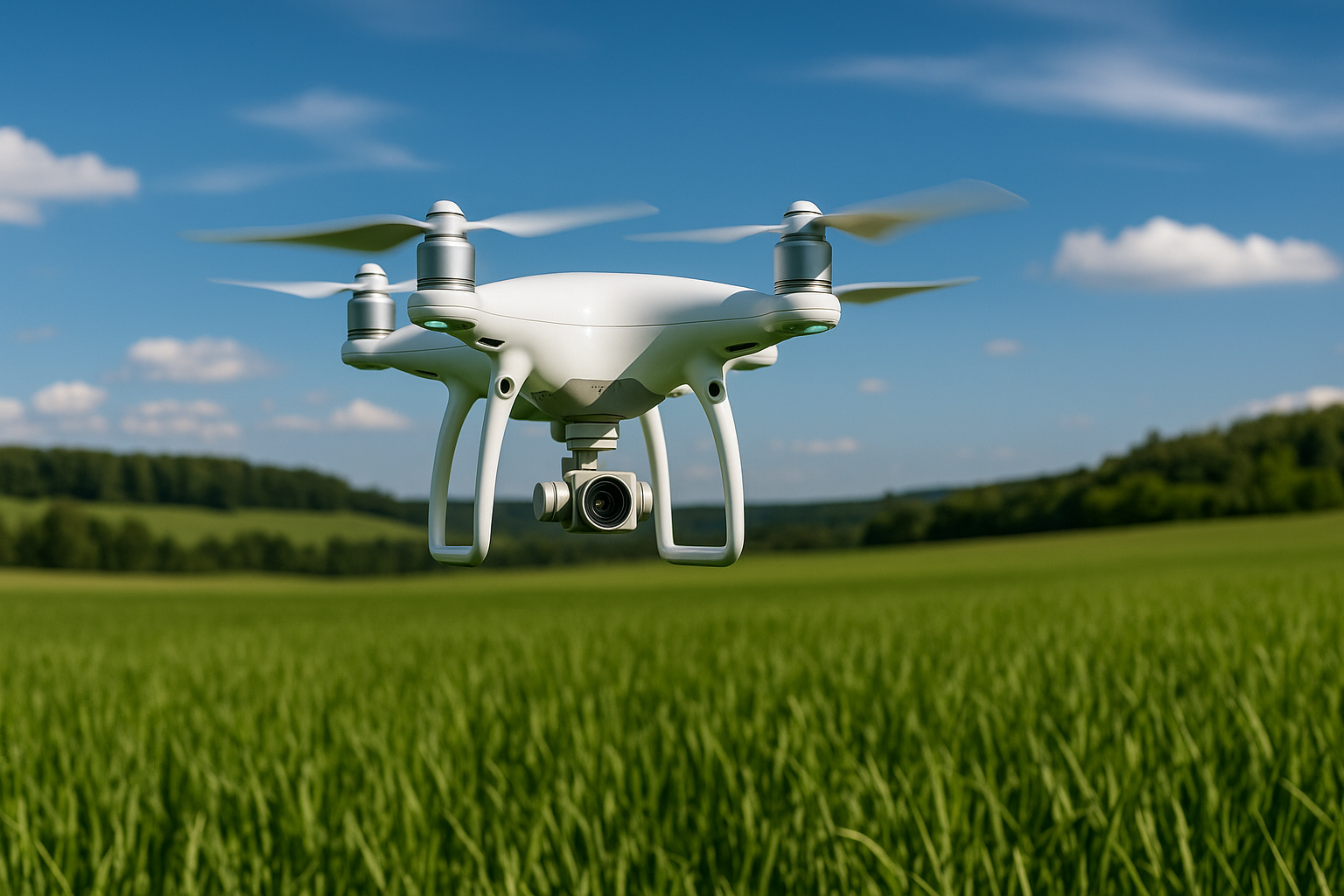
The advantages of drone livestock monitoring extend far beyond the cool tech factor. They address actual problems with actual solutions.
Efficiency and productivity: Livestock farmers free up hours a week previously spent walking pastures.
Enhanced animal welfare: Livestock monitoring becomes non-intrusive, lowering stress and providing timely care.
Data-driven decisions: Farmers can make informed decisions using real-time data and insights from drones.
Reduced costs: Reduced labor hours and faster problem identification equate to a leaner, more profitable operation.
Agricultural producers using drones aren't just keeping pace—they're leading the way.
Challenges and What's Coming
Each new technology has its learning curve. Drones in agriculture are no different. A few major challenges are:
Operators of drones need training and certification, depending on local laws.
Privacy and airspace rules are changing and need to be adhered to to prevent fines.
Weather reliance and battery constraints can limit drone flight time.
Nevertheless, continuous research and improved management systems are striving to overcome these obstacles.
Artificial intelligence applications hold the potential for even more intelligent drone livestock monitoring, with systems that can forecast disease or monitor long-term trends with minimal human intervention.
Garuda Aerospace: Improving Livestock Management in India
Garuda drones are important in livestock management through providing innovative solutions that improve efficiency and effectiveness in many areas of animal husbandry. Some of the specific ways in which these drones help in livestock management are:
Livestock Tracking: Garuda drones are designed with state-of-the-art imaging technology that can monitor livestock in real-time. With this ability, farmers can monitor the health and position of their animals so they can easily locate any problems like disease or distress.
Search and Rescue: For instances where animals might stray off or get lost, Garuda drones can be utilized for search and rescue purposes. Their birds-eye view makes them efficient in searching wide-ranging areas quickly and quickly identify lost animals.
Health Assessment: Garuda drones can capture high-resolution images and data that help assess the overall health of the herd. By analyzing this data, farmers can make informed decisions regarding veterinary care or adjustments in feeding practices.
Data Collection: The use of drones facilitates the collection of valuable data related to livestock behavior and environmental conditions. This information can be analyzed to optimize grazing patterns and improve overall herd management strategies.
Efficiency Gains: By automating some of the tasks involved with livestock care, like inspecting extensive pastures, Garuda drones save farm staff time and labor, enabling them to work on other important farm operation areas.
Compatibility with Other Technologies: Garuda drone technologies are often compatible with other farm technologies, so there is an integrated way to manage crops and animals as well.
In conclusion, Garuda drones heavily improve livestock management by providing better monitoring capabilities, effective search and rescue missions, health checks, data gathering, labor efficiency increase, and interoperability with other technologies.
Such features not only enhance animal welfare but also lead to more productive farming operations in general.
Final Thoughts
Livestock producers can now leave behind guesswork and footwork. Farmers and ranchers now can monitor and manage livestock smarter, quicker, and more compassionately. From herd health to grassland health, drone use in agriculture is not just a trend—it's a move towards wiser, more sustainable agriculture.
By combining drone-based monitoring, data collection, and AI, livestock farmers are now better equipped than ever to care for their animals, land, and operations. And with companies like Garuda Aerospace helping to pave the way, the possibilities are endless to grow a sustainable and productive farming system.