Garuda Aerospace | Blogs
Agriculture
Droni Drone
Drone Pilot
Drone Technology

India's Agri-Drone Market is set to reach ₹5000 Crores by 2030 with good cause. Studies suggest that farmers across the country who were among the first to apply drone technology to farming are reaping crop harvests up to 30% higher, achieving 40-60% time savings, and making enormous reductions in labour costs, thanks to newer drone technologies.
The situation on the ground, however, is different.
Most farmers continue to rely on outdated farming practices. Spraying pesticides takes hours. Sowing seeds is tedious and imprecise, especially compared to using drones in modern agriculture.
Issues with crop health are typically spotted only after damage is done, leading to substandard output, higher expenses, and limited scalability.
This is where agricultural drones can help farmers turn the tide.
From seed and spray to automated spraying to monitoring crops in real-time and predictive analytics, multirotor drones are not only helping but redefining agriculture. Indian start-ups are setting the pace with government initiatives and AI in farming, and with that, ensuring that the era of modern-day farming is not only around the corner, it's already here.
Types of Drone Applications in Agriculture: Changing the Game
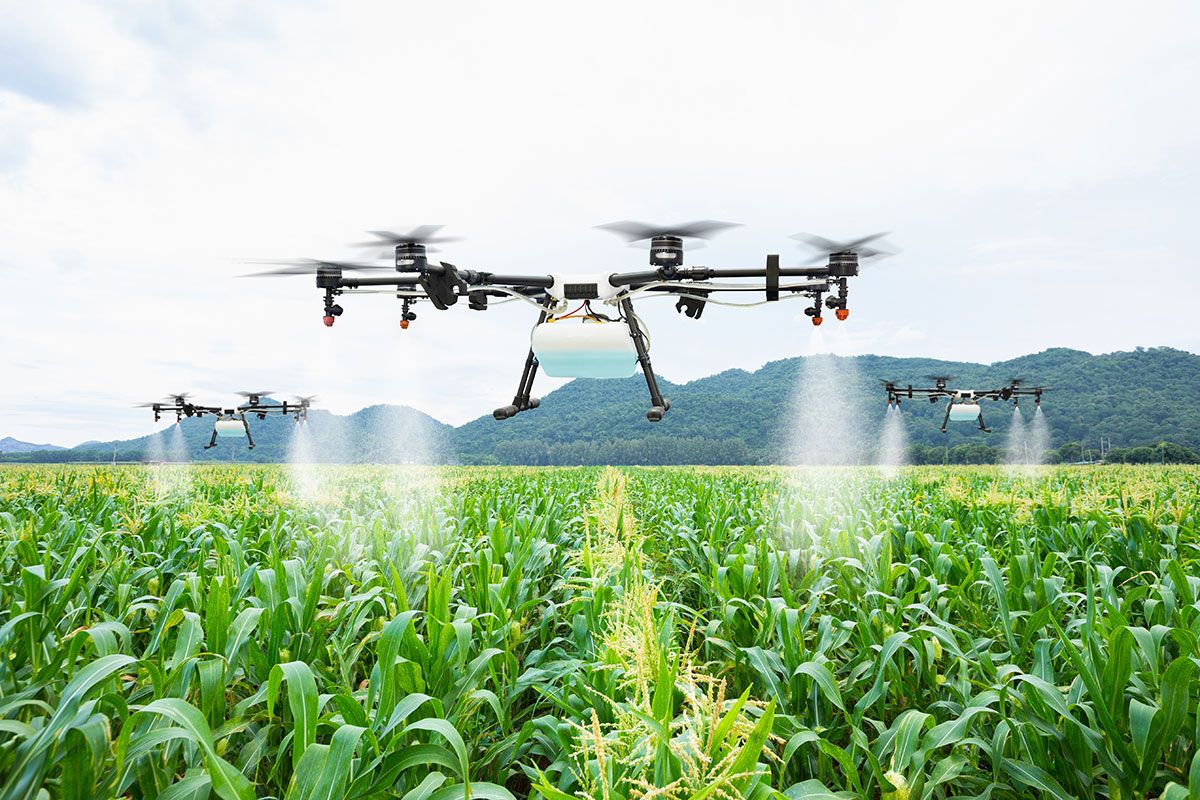
Drones have transformed farming by bringing speed, efficiency, and a data-driven approach to centuries-old farm operations. The uses of drones in agriculture are extensive, diverse, and influential. Moreover they
Provide equal distribution of pesticide/fertilizer
Reduces the wastage of chemicals and human exposure to hazardous chemicals
Conserves time and labor, particularly on large-scale farms and
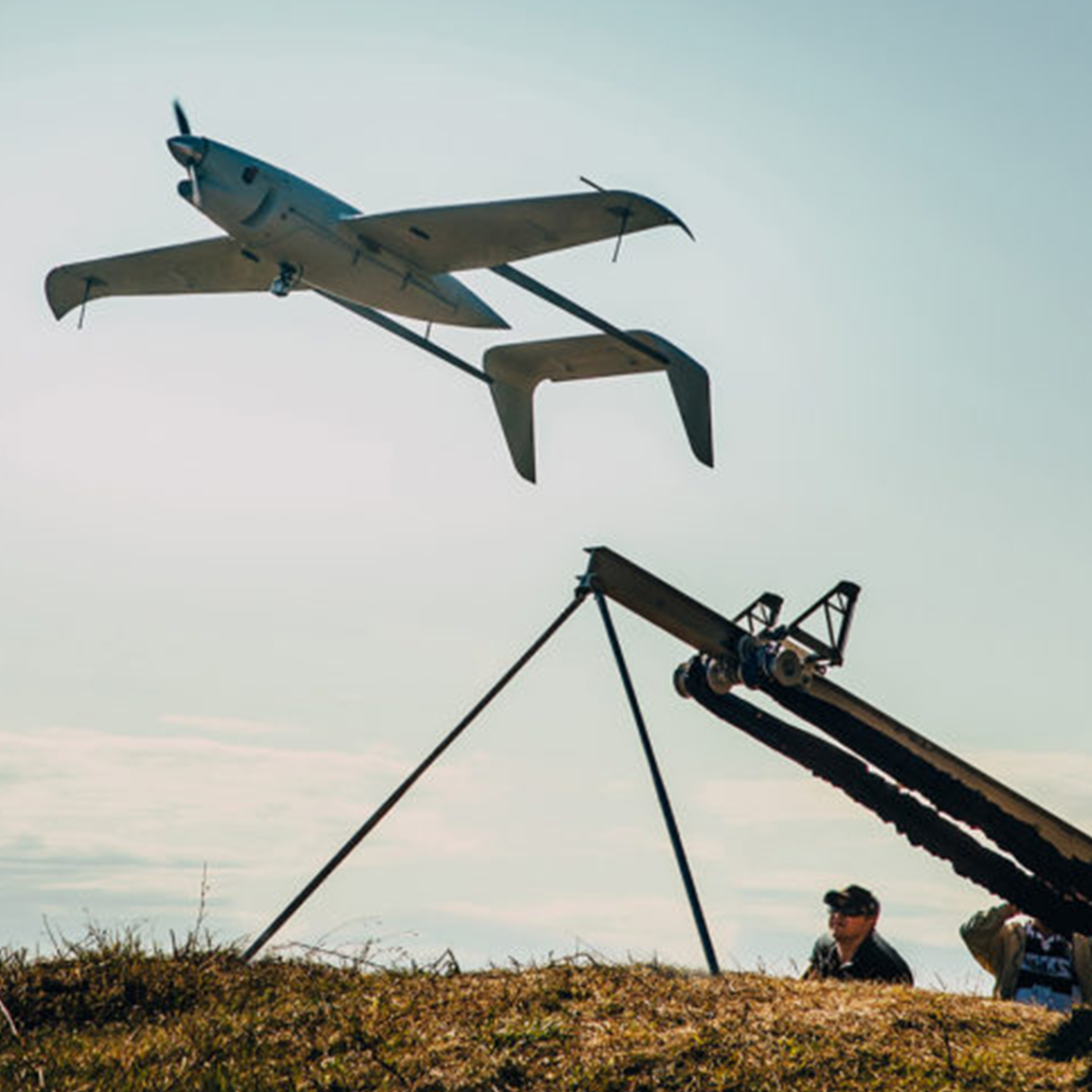
Fixed-wing drones with programmed paths perform well with mass spraying over rugged terrain
Drones offer lower chemical use, and less exposure for humans compared to conventional techniques. This way, humans can avoid direct interaction with heavy chemicals.
Further, let's discuss types of drone applications in Agriculture:
Seed Spreading
Drones used for reforesting or crop planting, such as paddy sowing, aerial seed broadcasting enhance operations speed and deliver more coverage. It's an efficient option when there are labor shortages or environmental delays. It is effective for:
Faster and wider coverage than traditional methods
Suited for re-planting in post-disaster or inaccessible areas
Guarantees even seed distribution for enhanced germination rates
Ideal for forestry, hilly country, or flood-prone areas
2. Crop Health Monitoring
Drones with sensors used in agricultural drones, such as multispectral and thermal imaging, can detect disease, drought, or nutrient stress even before signs appear. It also identifies problems such as pest infestation, water stress, or nutrient deficiency at the earliest. It also:
Enables timely detection, saving input, and reducing crop costs
Facilitates real-time, data-driven precision farming
Assists in reducing yield loss by allowing timely action
3. Field Mapping and Surveillance
Those days of walking entire fields are behind us, saving huge manual labour. Drones take high-resolution maps of fields, detecting ground problems and maximizing land use.
Creates high-resolution field maps within minutes
Recognizes slope, drainage, or waterlogging problems
Improves planning for crop disposition, irrigation, and fertilization
Can be applied in government surveys or land reporting
4. Yield Estimation & Growth Tracking
Manually tracking growth stages and yield estimation requires enormous efforts and time, but not anymore. Drones now provide data-informed insights that enhance inventory, sales, and harvest planning.
It monitors crop development and projects harvest schedules and:
Sends visual information for forecasting sales
Aids harvesting and storage decision-making
Enhances resource planning and allocation
5. Soil Moisture & Analysis
Although not a substitute for soil sampling, drone-mounted sensors can monitor moisture levels, identify anomalies, and direct irrigation. It also:
Identifies dry or waterlogged spots immediately
Aids in scheduling efficient irrigation
Prevents overwatering or underwatering
Assists in keeping the soil healthy and fertile
6. Livestock & Perimeter Monitoring
For bigger farms, drones are virtual patrolmen. Monitoring cattle or verifying fence integrity is done by using drones as cost-effective surveillance options that save on manpower and increase security. It further:
Tracks the location and movement of livestock in real-time
Detects intrusions, fence breaks, or predators
Increases farm security without continuous patrolling
Saves on labor and increases operating efficiency
Types of Agricultural Drones
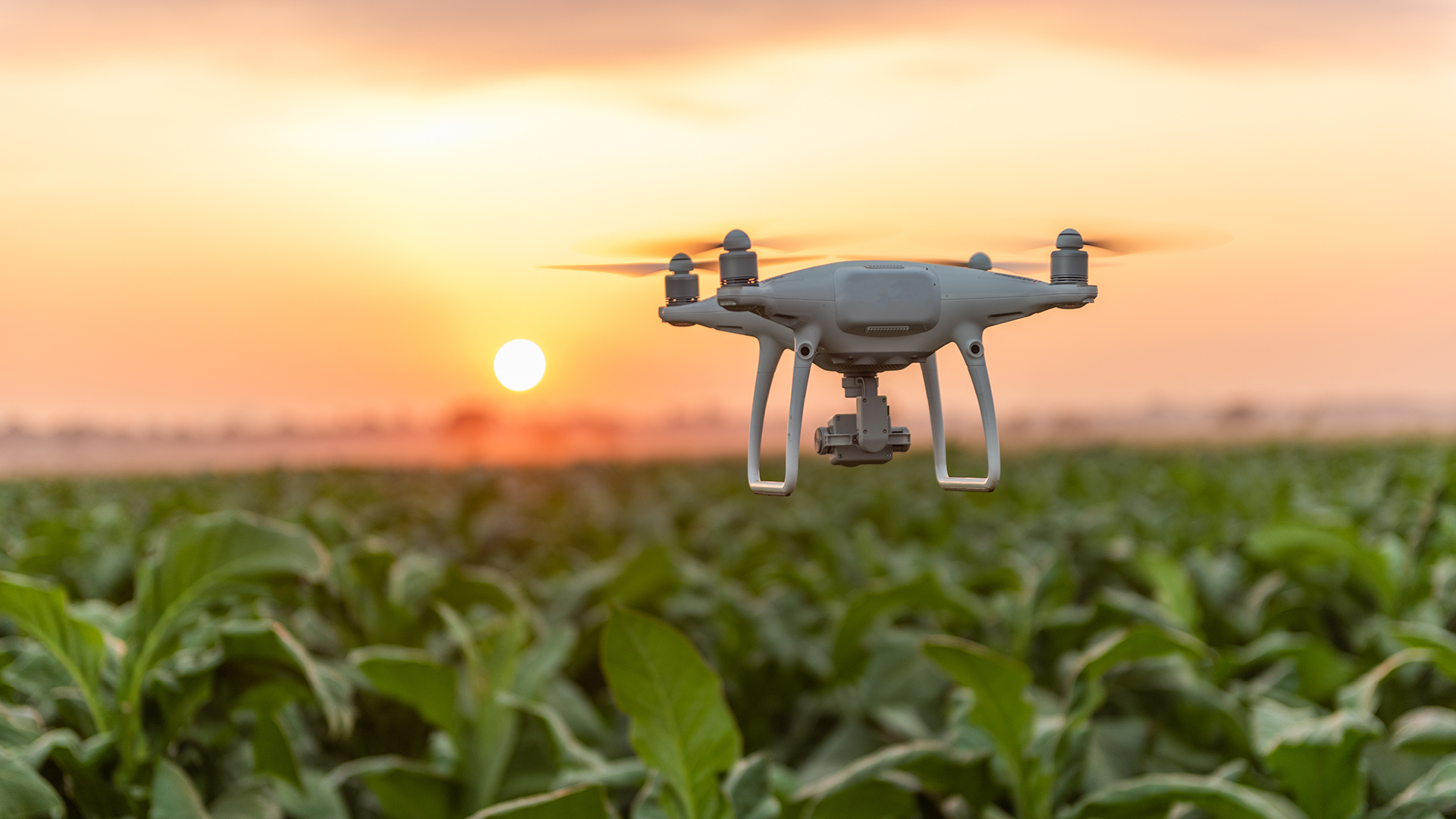
Based on the use case, the kinds of drones deployed in agriculture include:
Fixed-wing drones are plane-like and best suited to surveying huge areas with more endurance.
Multirotor drones, which are agile, are suited to small or divided fields.
VTOL drones combine the best of two with vertical takeoff and long-range efficiency—this combination drone model is on the rise in modern farming.
Specialized services in drones are used to map, spray, or analyze data based on the requirement. In making the selection, it's vital to know the types of drones used in agriculture and what types of sensors are integrated.
Related Article:How Many Types of Drones Are There? A Deep Dive into Drone Categories
Why Garuda's Kisan Agri Drone V.2 is a Game Changer
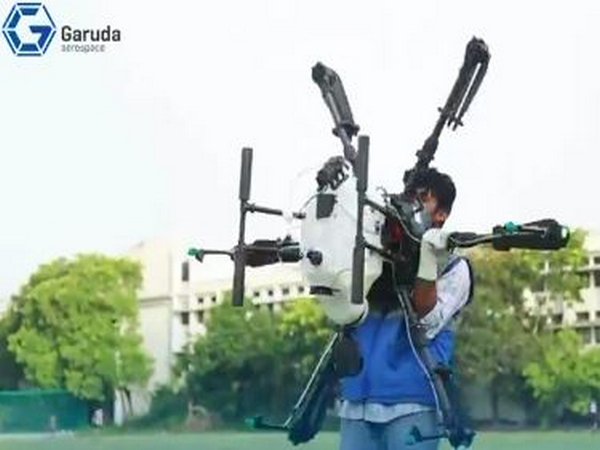
Among several companies playing a part in agricultural drone operations, there is Garuda Aerospace. Its premier drone isn't an ordinary device—It's an ecosystem designed to make Indian farmers more powerful.
✅ All-in-one: Spraying, seeding, mapping, and monitoring combined in a single drone.
✅ DGCA Type-Certified: Fly lawfully and safely.
✅ Made in India: Designed for Indian terrain and climate.
✅ Scalable: Ideal for small farms, FPOs, and enterprise-scale operations.
The differentiator here isn't the tech—it's the drone services ecosystem: training, maintenance, and end-to-end support. The drones are built to be useful to farmers, to empower them, and to transform traditional farming. Check out the details of our Kisan Agri Drone
Real-World Impact of Garuda's Agri Drones
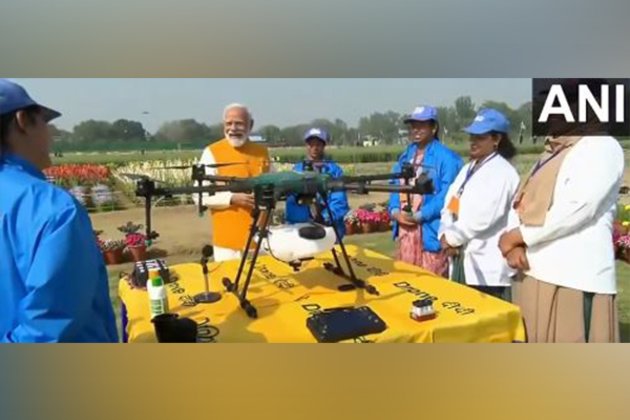
Part of the Government of India's Kisan Drone Yatra, Garuda drones have covered 100+ locations, demonstrating not only potential but outcomes.
Farmers have reported:
Add to that strong government support:
₹2 crore loan under AIF
40–50% subsidy on farming drone expenses
Additional assistance for SC/ST, women, and agriculture graduates
Drone technology, by delivering real-world solutions, is turning what was once a high-tech extravagance into a necessary tool for daily tasks.
Looking Ahead: Drones Are the Future of Indian Farming
Whether it's boosting agricultural productivity, optimizing drone data, or scaling with drones for crop monitoring, the agricultural industry is embracing a new era. And with the agricultural drone market expanding rapidly, it’s only the beginning.
If you're exploring intelligent farming, drones are typically your most powerful tool, combining aerial insight, automation, and affordability. Companies like Garuda Aerospace are taking the lead in revolutionizing the drone applications in modern farming and empowering farmers in unimaginable ways.
The farming sector is evolving. The equipment can be unmanned, but the future? It's in human hands, led by drones in agriculture that assist in sowing smarter, growing better, and harvesting more.