Drones are everywhere—from capturing breathtaking aerial shots to delivering packages, inspecting infrastructure, and even assisting in search-and-rescue missions. But how many types of drones are there? If you’ve ever tried to figure it out, you know it’s not as simple as “big drones” and “small drones.”
Here’s the problem: The drone market is evolving fast. New models come out every year, each designed for a specific purpose. Some are built for hobbyists, others for businesses, and some for military-grade surveillance. Without the right knowledge, picking the right drone or even understanding what’s available can feel overwhelming.
This guide breaks it all down. We’ll explore the different types of drones, what they’re used for, and how they fit into our world today. By the end, you’ll know exactly what makes each drone unique, and which one might be right for you.
Why Categorizing Drones Matters
Drones aren’t one-size-fits-all. Each type serves a unique purpose, from aerial photography to industrial inspections and military operations. Proper classification helps users pick the right drone, ensures regulatory compliance, and drives innovation. It also enhances safety, preventing misuse in restricted areas. Whether for business, recreation, or research, understanding drone categories leads to smarter, more efficient use.
Classification by Application and Industry
Drones are created to cater to particular industries, incorporating sophisticated technology to maximize productivity and efficiency.
1. Agricultural Drones
Agricultural drones have revolutionized contemporary farming by facilitating precision agriculture. These drones are fitted with:
- Multispectral and thermal cameras for crop health examination
- Precision spraying systems to disperse fertilizers and pesticides with maximum efficiency
- AI-driven analytics to enhance yield predictions and irrigation planning
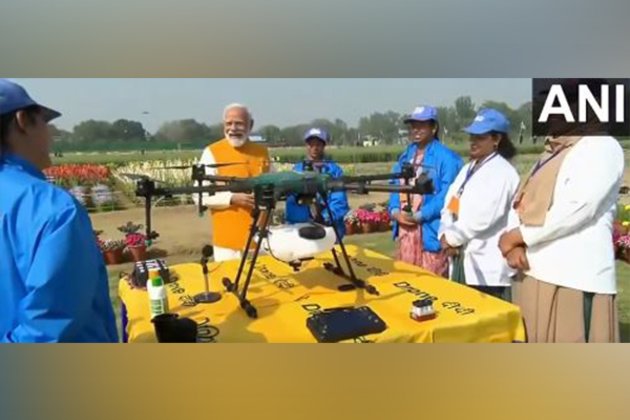
Garuda Aerospace's Krishi and Kisan Drones are extensively applied for crop monitoring, spraying, and farmland evaluation, enabling farmers to boost productivity while minimizing costs and environmental footprint.
2. Surveying and Mapping Drones
Surveying and mapping drones are applied in land surveying, urban planning, and infrastructure works. These drones include:
- RTK (Real-Time Kinematic) and PPK (Post-Processing Kinematic) GPS for accurate geospatial information
- LiDAR sensors for high-definition 3D model creation
- Automated flight plans for repeatable and effective mapping
Garuda Aerospace's Drones are designed for surveying purposes, making them gold mines for construction, mining, and environmental monitoring industries.
3. Industrial Inspection Drones
Industries rely on drones to inspect key infrastructure like power cables, pipelines, and solar farms. These drones are equipped with:
- Thermal and high-resolution cameras to detect faults
- Collision avoidance technology to operate safely in complex environments
- Weather-resistant designs for durability in harsh conditions
Garuda Aerospace's Droni Drone is a high-tech inspection drone deployed in industries like oil and gas, renewable energy, and telecommunications to augment safety and decrease maintenance expenditure.
4. Delivery and Logistics Drones
The logistics industry is transformed by the innovation of drone-enabled delivery systems. Delivery drones are developed for:
- Self-navigation to deliver goods to inaccessible areas
- Maximizing payload capacity to effectively transport material
- Real-time tracking and monitoring for security
Garuda Aerospace's high-performance drone is designed for last-mile delivery, ensuring the swift and secure transportation of medical supplies, e-commerce orders, and essential goods.
5. Search and Rescue Drones
Search and rescue activities are improved by drones using:
- Thermal imaging cameras for detecting missing persons
- Loudspeakers and communication modules to lead rescue units
- Payload delivery systems to deploy medical supplies or life saving apparatus
Garuda Aerospace's Droni Drone is designed particularly for emergency response operations, delivering real-time intelligence in disaster zones.
6. Surveillance and Security Drones
Surveillance and security agencies, as well as law enforcement, utilize drones for surveillance, monitoring, and threat identification. These drones feature:
- Facial recognition and tracking using AI
- Night-vision and infrared cameras
- Long-endurance features for long-duration operations
The Droni Drone ensures real-time surveillance with advanced imaging and AI navigation for security and monitoring.
Classification by Physical Configuration
Drones may also be categorized based on their structural design and flight mechanisms.
1. Multirotor Drones
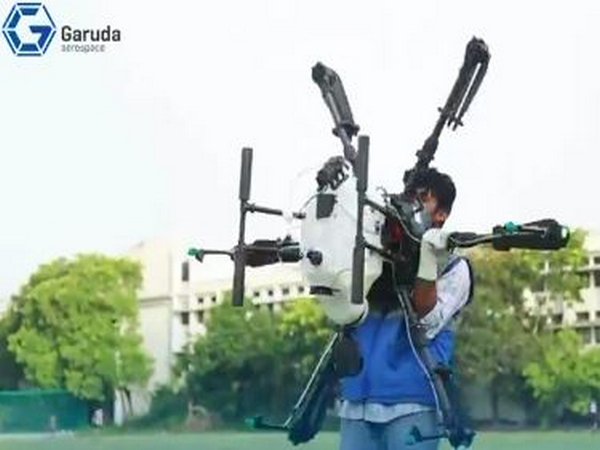
The most popular type of drones, because of their versatility and ease of flying, are multirotor drones, which comprise:
- Quadcopters (4 rotors): Balanced for stability and maneuverability
- Hexacopters (6 rotors): Higher payload capacity and redundancy
- Octocopters (8 rotors): Highest lift and reliability for professional uses
Garuda Aerospace's Krishi models use multirotor technology for efficient flight in agriculture and cinematography.
2. Fixed-Wing Drones
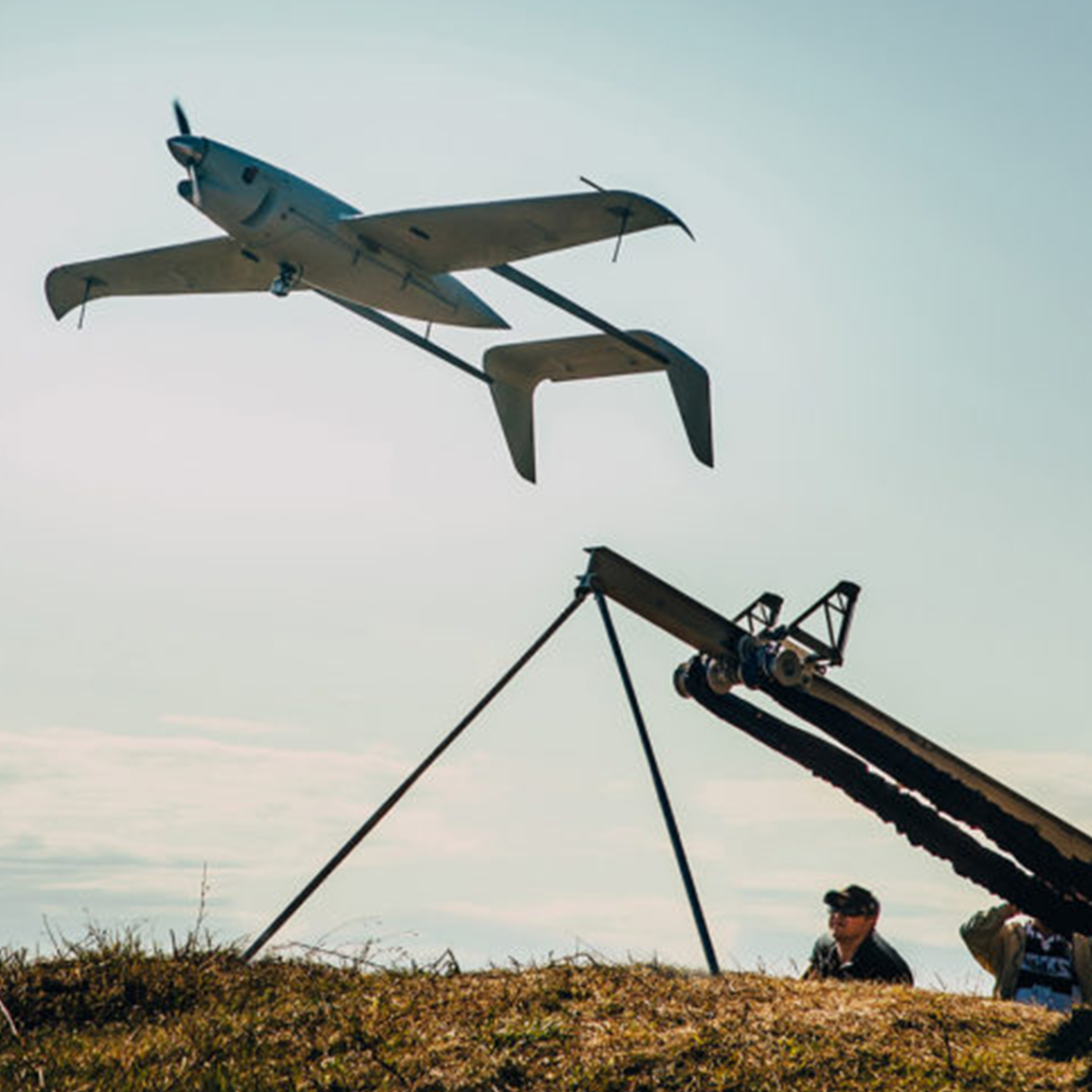
Fixed-wing drones are similar to small airplanes and are used for long-endurance flights. Their benefits are:
- Longer flight durations (up to several hours)
- Higher speeds and wider coverage areas
- Energy efficiency for large-scale surveying and mapping
Garuda Aerospace's Drones use fixed-wing technology for applications that demand extensive aerial coverage.
3. Hybrid VTOL (Vertical Takeoff and Landing) Drones
Hybrid VTOL drones combine the multirotor and fixed-wing technology, providing:
- Vertical takeoff and landing without a runway
- Fixed-wing efficiency for extended flights
- Increased versatility for difficult terrains
Garuda Aerospace's Varuna drone adopts hybrid VTOL features, making it suitable for long-range surveillance and delivery missions.
Classification by Range and Endurance
Drones are also categorized based on the range of their flight and endurance capabilities.
1. Close-Range Drones
- Flight range: Up to 5 km (3.1 miles)
- Application: Photography, hobbyist use, small inspections
2. Short-Range Drones
- Flight range: Up to 50 km (31 miles)
- Application: Agriculture, industrial inspections, security
- Example: Garuda Aerospace's Krishi and Vajra Drones
3. Medium-Range Drones
- Flight range: 50-100 km (31-62 miles)
- Application: Mapping, delivery, surveillance
- Example: Garuda Aerospace's Nabh and Varuna Drones
4. Long-Range Drones
- Flight distance: More than 100 km (62+ miles)
- Use: Mass surveying, disaster response, border patrol
- Example: Garuda Aerospace's Varuna Drone
The Future of Drone Technology
Drones aren’t just flying cameras anymore. They’re getting smarter, faster, and more independent. AI, automation, and real-time data processing are turning them into powerful problem-solvers, from delivering medicine to mapping disaster zones.
And companies like Garuda Aerospace- They’re pushing boundaries, designing drones that aren’t just efficient but sustainable and industry-ready. The future? It’s not just bright. It’s airborne.
Conclusion
Drones have redefined efficiency, precision, and affordability across industries. From agriculture drones improving crop yields to survey drones mapping landscapes and delivery drones streamlining logistics, their impact is undeniable. As UAV technology advances, companies like Garuda Aerospace are driving innovation, developing drones that cater to diverse industries while ensuring sustainability and efficiency.
With drones becoming integral to daily operations, staying informed on capabilities, regulations, and advancements is essential. As the technology evolves, so do the possibilities.