Ignoring UAV for Agriculture Could Be Costing You More Than You Think
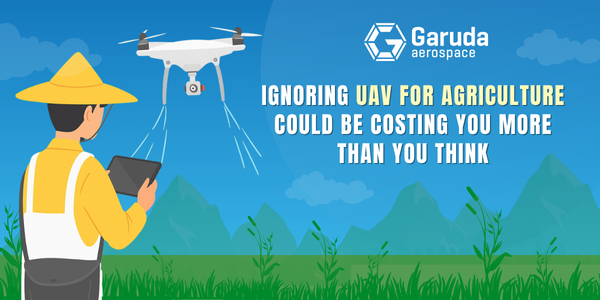
Unmanned Aerial Vehicles, UAV for Agriculture are revolutionizing how we grow, monitor, and manage crops. From precision spraying to real-time monitoring and data analytics, drones have become indispensable tools in agriculture. This blog explores how UAVs are changing the face of modern farming, and why ignoring them now could put your business at a serious disadvantage.
UAV Technologies and Their Role in Precision Agriculture
Precision agriculture is all about harnessing cutting-edge technology to make farming smarter and more efficient. By using tools like water, fertilizers, and pesticides more effectively, farmers can boost their yields and save resources. Drones, or UAVs, are really leading the charge in this transformation.
These high-tech flying machines come equipped with GPS, sensors, and multispectral cameras, allowing them to gather incredibly detailed data and take on labor-intensive tasks. This means farmers can make well-informed decisions tailored to the specific conditions of their fields. Plus, UAVs play a crucial role in cutting down on chemical overuse, reducing waste, lowering costs, and ultimately enhancing productivity on the farm.
Precision Mapping and Surveying
Land mapping, once a laborious and expensive activity, has become faster and far more accurate with UAVs. High-resolution aerial imagery captured by drones can be stitched into orthomosaic maps that display real-time field conditions and elevation changes.
UAVs can:
Perform topographic surveys
Identify waterlogging zones
Assist in layout planning for irrigation systems, bunds, and channels
For instance, a drone can complete a topographic survey of acres in a single day, something that could take a team of surveyors days.
Vigilant Plant Health Monitoring
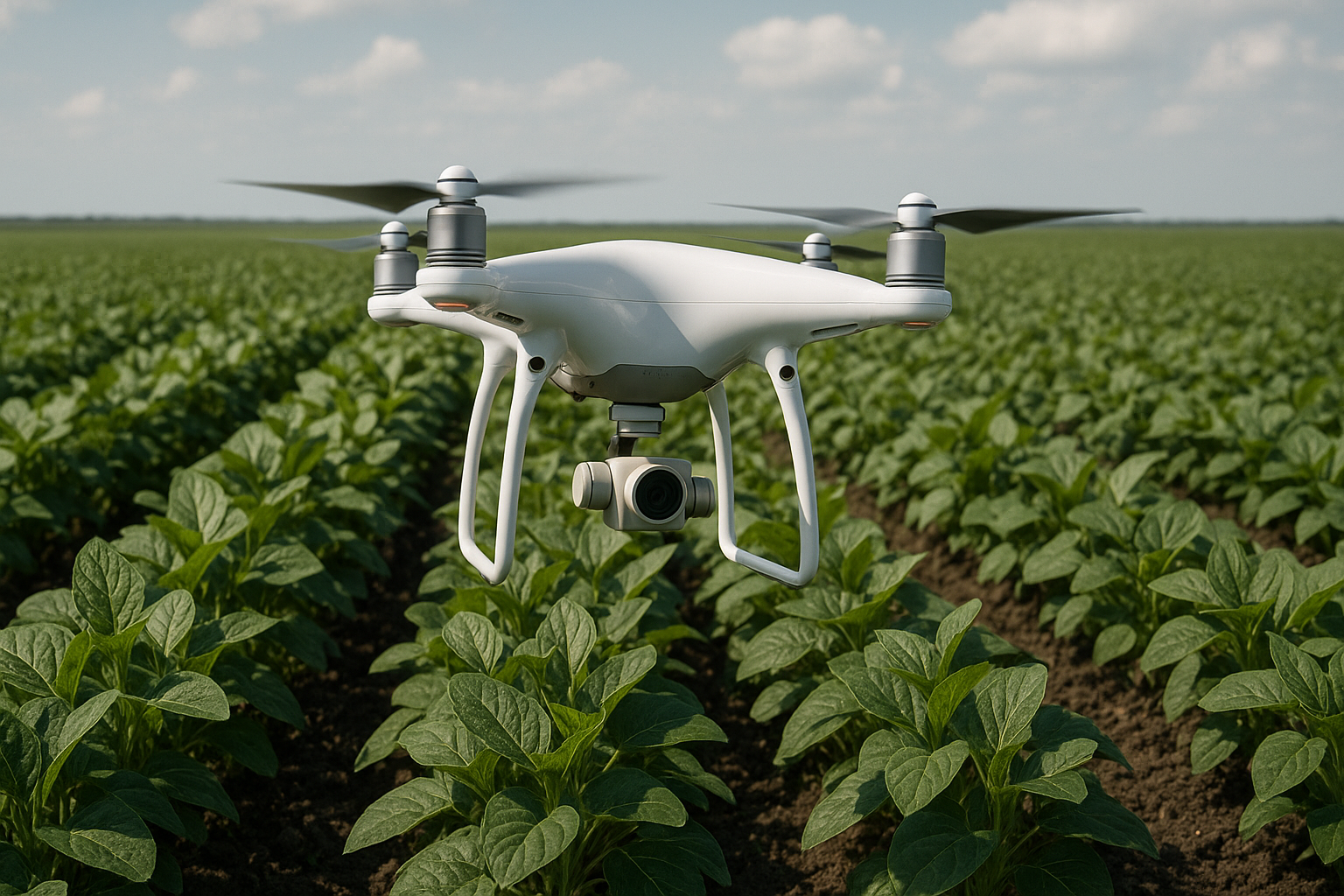
Spotting crop issues early is crucial for safeguarding yields, and Garuda Aerospace is making that process easier, quicker, and more accurate with its drone technology. Traditionally, Indian farmers have depended on manual inspections and visual cues to spot problems in their fields. Unfortunately, by the time pests, diseases, or nutrient deficiencies become visible to the naked eye, the damage is often already significant. This delay can result in serious yield loss, excessive pesticide use, and higher production costs.
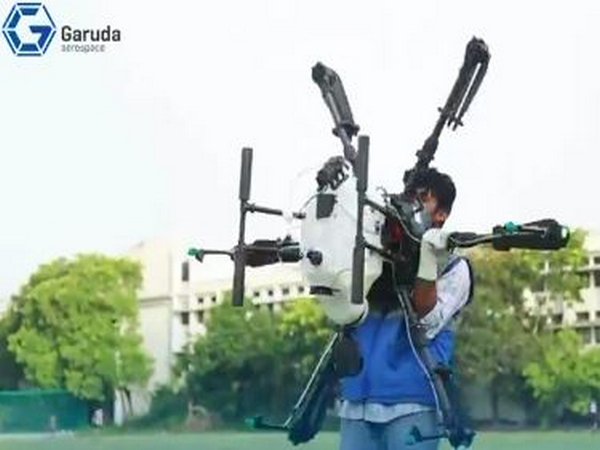
Garuda Aerospace tackles this issue with its cutting-edge agricultural drones—particularly the Kisan Drone, which has been approved by the DGCA and is tailored specifically for Indian farming conditions. With multispectral and thermal imaging cameras onboard, the Kisan Drone allows farmers to survey their fields from above and catch early signs of stress before they become apparent on the surface.
By using UAVs like the Kisan Drone, farmers can now:
- Detect water stress in specific crop zones by analyzing soil moisture variations with thermal sensors. This ensures optimal irrigation and helps avoid both overwatering and water shortages.
- Identify areas affected by pests or diseases through high-resolution imagery, enabling targeted treatments rather than blanket pesticide applications across the entire field.
- Create NDVI (Normalized Difference Vegetation Index) maps to assess plant health and pinpoint nutrient-deficient areas.
drones allow this data to be collected in real time and interpreted instantly, empowering farmers to take swift action. The outcome? Lower input costs, reduced pesticide use, and healthier crops—all contributing to enhanced productivity and sustainability.
Moreover, Garuda Aerospace provides DGCA-certified training programs where farmers and agri-entrepreneurs learn how to operate these drones effectively, interpret aerial data, and perform precision interventions. The combination of Garuda's drone technology and pilot training ensures that Indian farmers are well-equipped to face the challenges of modern agriculture.
Real-Time Aerial Surveillance and Field Monitoring
For large farms spread across multiple acres, manually scouting every section is not only time-consuming but also highly inefficient. Farmers and field managers often struggle to identify issues early enough simply because it’s not feasible to walk the entire farm regularly—especially during critical growth periods or adverse weather events.
This is where agricultural drones from companies like Garuda Aerospace become a game-changer. Garuda’s Kisan Drone and Droni Drone are specifically designed for such field-monitoring operations. These UAVs can be deployed on a daily or weekly basis to perform autonomous aerial surveys, capturing live HD video feeds or high-resolution photographic sequences based on pre-programmed flight paths.
By flying at regular intervals over large farm areas, Garuda’s drones provide a continuous stream of visual and data-based intelligence. This allows farmers to maintain a bird’s-eye view of their operations—literally.
Key Benefits of Drone Monitoring for Large Farms:
On-Demand Post-Storm Field Checks
After heavy rainfall, wind, or hailstorms, the risk of crop damage increases significantly. Drones can be quickly deployed to assess storm impact without delay. With their aerial vantage point, they help identify waterlogged zones, flattened crops, or blocked drainage channels—saving time and allowing for faster recovery measures.
Detection of Crop Theft or Unauthorized Access
Large farms, especially those near rural settlements or forest borders, are often vulnerable to trespassing and crop theft. Garuda’s drones, particularly the Droni Drone with its 1080p HD camera, can patrol the farm’s perimeter and internal paths to detect unusual activity. This helps improve overall security and reduces economic losses.
Irrigation Uniformity & Drainage Monitoring
Uneven irrigation can lead to water stress in some areas and over-saturation in others. With drone-captured imagery and mapping, farmers can evaluate whether their irrigation systems are distributing water evenly and where drainage needs to be improved. Garuda’s Kisan Drone, equipped with smart sensors, is capable of capturing detailed moisture patterns across different field zones.
Turning Insights into Action
The visual and sensor-based data collected by Garuda’s drones is not just for observation—it’s actionable intelligence. With this constant monitoring, farmers are able to make timely interventions, whether it’s adjusting fertilizer use, improving irrigation practices, deploying pest control, or planning harvest schedules more effectively.
Livestock Management and Health Assessment with Drones
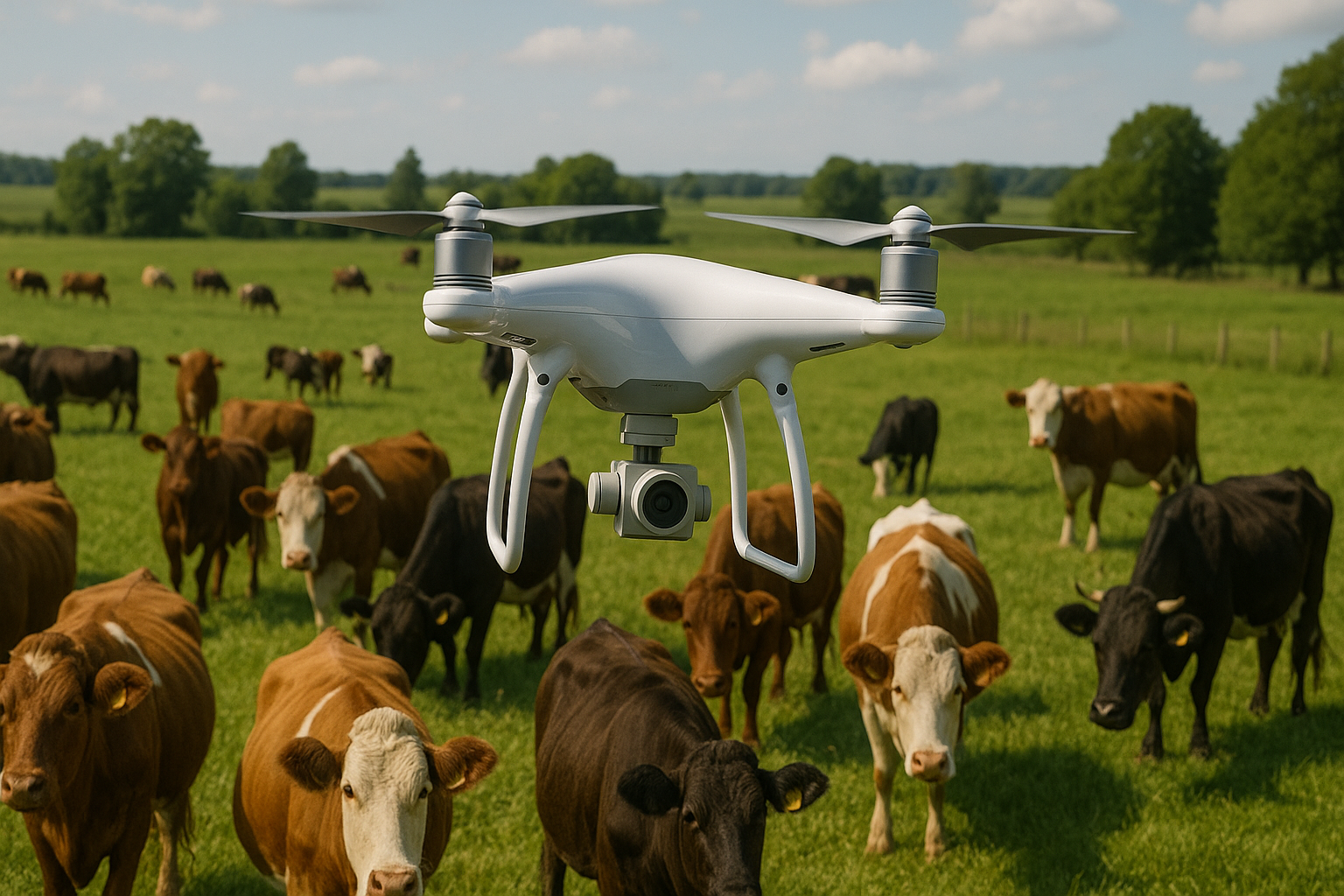
Drones have evolved far beyond their initial role in crop surveillance—they're now making waves in the livestock farming sector. In expansive pastures, keeping track of herd movements and spotting health issues can be a real challenge, often requiring a lot of time and effort. But with the help of thermal imaging and high-resolution cameras attached to drones, farmers can now keep an eye on their livestock from a distance, and do it much more efficiently. These drones can swiftly scan large grazing areas to detect signs of heat stress, injuries, or illnesses in individual animals—long before any visible symptoms show up.
Moreover, drones are crucial for maintaining herd safety and managing pastures. They can monitor the whereabouts of animals over vast landscapes, helping to prevent issues like stray livestock or predator attacks. Regular drone flights also allow for inspections of fence lines, grazing patterns, and the availability of water sources, ensuring that the animals are safe and well-cared for without needing to intrude physically. This non-intrusive approach not only minimizes stress for the animals but also helps optimize resource use and grazing schedules, making livestock farming smarter, safer, and more sustainable.
Professional & Commercial Uses for Agricultural UAVs
Agricultural drones, or UAVs, are no longer limited to just individual farmers—they're playing a growing role in large-scale, commercial agricultural operations and service-based models. Today, drone service providers are offering crop monitoring, pesticide spraying, and data collection as paid services, enabling even those without direct access to drones to benefit from the technology. Agri-consultancies are using drones to scan and analyze large plots of farmland for their corporate clients, offering detailed insights on soil health, crop condition, and yield estimates.
Beyond consultancy, irrigation companies are deploying drones to map moisture distribution and ensure efficient water use, while crop insurance providers rely on timestamped aerial data to remotely assess crop damage and validate claims. Even government agencies and NGOs are integrating UAVs into their programs—for monitoring soil quality, validating subsidy disbursements, and guiding sustainable land management practices. With increasing awareness and lower costs, UAVs are becoming a staple in rural innovation, giving smallholder farmers access to high-tech support previously reserved for large-scale operations.
Agricultural Drone Imaging Technology & Drone Types in Agriculture
At the heart of any effective agricultural drone lies powerful imaging technology. Drones equipped with different types of cameras serve various purposes on the farm. RGB cameras are ideal for capturing basic color imagery, helping identify visible damage such as pest infestations or weed growth. These tools transform raw visuals into actionable insights that farmers, agronomists, and drone service providers can use to make smarter, faster decisions. They are also essential in environmental and ecosystem monitoring. enabling users to assess vegetation health, soil conditions, and changes in land use over time.
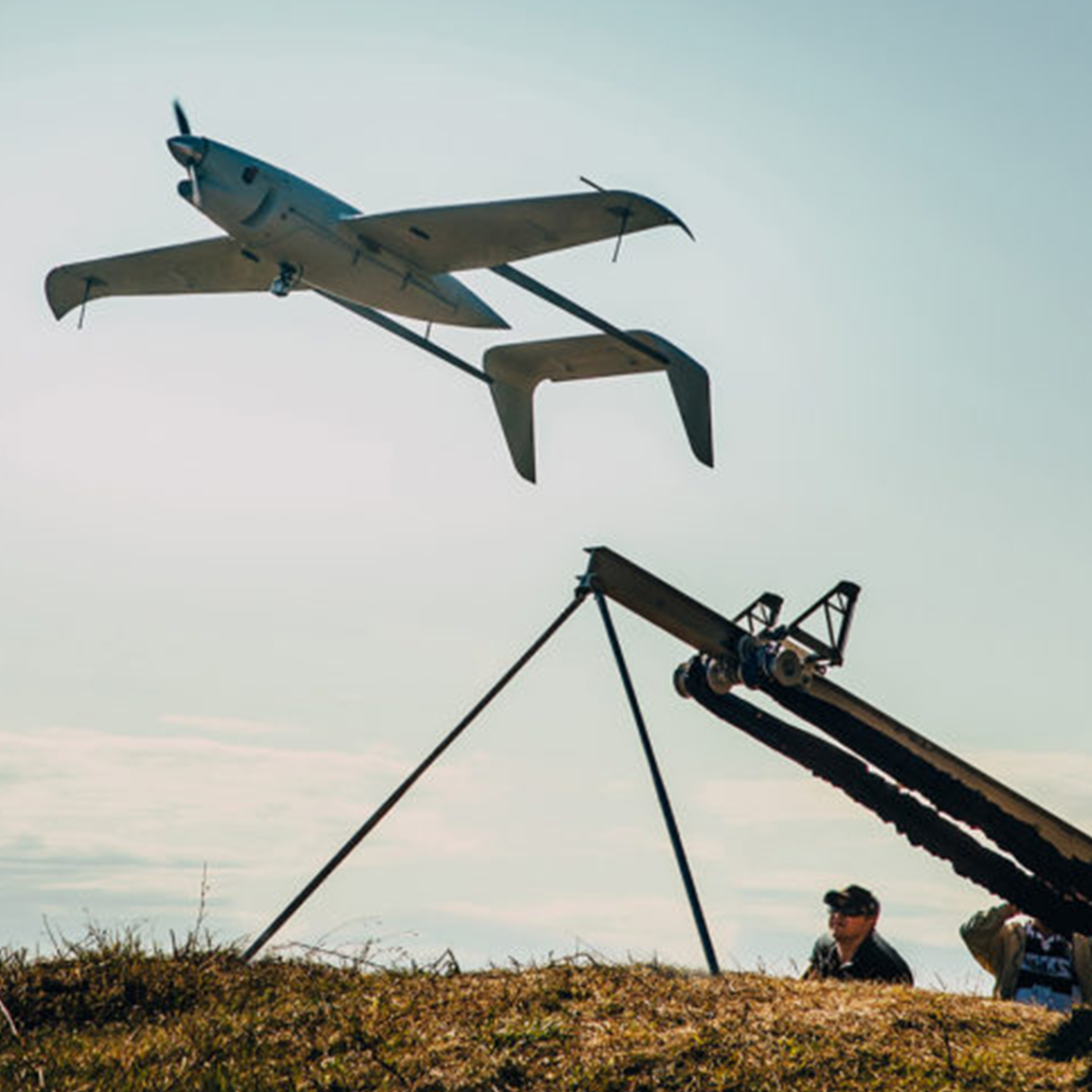
Choosing the right drone depends on the farming application. Fixed-wing drones cover vast areas quickly, making them suitable for large-scale mapping and surveys. Multirotor drones are known for their stability and hovering abilities, which are perfect for spraying, inspections, and targeted imaging. Companies like Garuda Aerospace have built hybrid drones capable of spraying, mapping, and monitoring—all in one system—offering versatility without the need for multiple specialized units.
The Future of Drones in Indian Agriculture
Drones are set to transform precision irrigation by delivering real-time aerial data that helps optimize water usage based on the specific conditions of the fields. With the insights gained from drone-collected data, farmers can improve their yield predictions, allowing them to plan their harvests more effectively and respond to market demands with greater assurance.
Thanks to government programs like the SMAM and Garuda Aerospace’s DGCA-approved drone pilot training, the hurdles to embracing this cutting-edge technology are rapidly diminishing. Nowadays, farmers, cooperatives, and agri-entrepreneurs can tap into affordable, government-backed drone solutions that can truly revolutionize their farming practices.
Revolutionizing Agriculture with Drone-Powered Solutions
The adoption of drones in agriculture is more than just a technological shift—it’s a fundamental change in how farming is done. UAVs enable farmers to spray acres in a single day, a task that would otherwise take several laborers and many hours. Decision-making is no longer based on guesswork; real-time data empowers farmers to react swiftly to crop threats, resource gaps, and changing weather conditions. Targeted chemical spraying significantly reduces input costs and environmental impact, while healthier crops deliver a better return on investment (ROI).
Garuda Aerospace stands at the forefront of this transformation, providing drones that are not only technologically advanced but also affordable and rugged enough for real-world Indian farm conditions. Their drones are helping thousands of farmers streamline operations, boost productivity, and transition to a more sustainable and profitable form of agriculture.
Compliance, Licensing & DGCA Guidelines
To operate drones legally for agriculture in India, adherence to DGCA (Directorate General of Civil Aviation) norms is essential. All pilots must hold a Remote Pilot Certificate (RPC) from a DGCA-authorized Remote Pilot Training Organization (RPTO) like Garuda Aerospace.
These regulations are designed to ensure that drone operations are safe, responsible, and beneficial—not just to the operator, but to the ecosystem at large. With the right compliance and technology, agricultural drones are proving to be a transformative force in India’s farming future.
Getting Started with UAV Implementation
If you're thinking about incorporating UAVs (drones) into your farming practices, you'll find that getting started is easier—and more rewarding—than you might expect. Drones like Garuda Aerospace’s Kisan Drone and Droni Drone are designed specifically for agricultural tasks, whether it's for spraying, mapping, or monitoring your fields in real-time. However, before you take flight, it's crucial to follow a step-by-step approach to ensure a smooth and compliant integration into your operations.
Step 1: Identify the Need
Decide whether you need drones for spraying, monitoring, or mapping.
For spraying large farms, the Kisan Drone is ideal. For close-up imaging, go with the Droni Drone.
Step 2: Get Certified
Enroll in a DGCA-approved course like the one offered by Garuda Aerospace.
Certification is mandatory for legal and safe drone operations.
Step 3: Choose the Right Model
Compare drone specs such as flight time, payload, and camera quality.
Choose Kisan Drone for agri-spraying or Droni Drone for videography and inspections.
Step 4: Start Small
Begin with a small field or single service like spraying or crop health checks.
Scale up operations once you gain confidence and data-driven results.
Traditional Farming vs UAV-Enabled Farming: A Quick Comparison
Parameter | Traditional Methods | UAV-Enabled Methods |
Crop Spraying | Manual, uneven, labour-heavy | Automated, precise, efficient |
Land Survey | Time-consuming, low detail | Fast, accurate topographic mapping |
Crop Monitoring | Visual, reactive | Data-driven, proactive |
Labor Requirement | High | Low |
Chemical Usage | Often excessive | Reduced through precision |
Real-Time Insights | Limited | High—via Cameras |
Challenges & Misconceptions About UAVs
Despite their advantages, some common concerns hold farmers back:
High Cost: While initial investment is real, ROI comes quickly with higher yields and saved inputs.
Skill Gap: Training is now widely available through RPTOs like Garuda Aerospace.
Legal Complexity: DGCA’s streamlined processes have made compliance easier than ever.
These hurdles are temporary, while the benefits are long-term and sustainable.
Conclusion
Ignoring UAV for agriculture could mean falling behind—both in productivity and profitability. While traditional methods still hold value, they can't match the speed, precision, and data capability that drones bring to the table.
With providers like Garuda Aerospace making drones and pilot training widely accessible, the time to modernize is now. UAVs aren't just tools—they're catalysts for smarter, more sustainable agriculture.
Don't let inefficiency be your legacy. Let UAVs take your farm to new heights