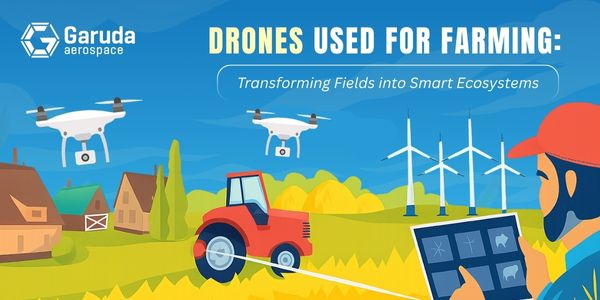
For centuries, farmers have relied on experience, intuition, and manual labor to manage crops. While these traditional methods laid the foundation for agriculture, they often involved inefficiencies—wasted water, excessive fertilizer use, delayed pest detection, and uneven yields. Today, drones like Kisan & Droni drones are changing this narrative by introducing precision, automation, and real-time data into the farming process.
With advanced imaging systems, mapping, and analytics, agricultural drones are allowing farmers to observe, plan, and act with scientific accuracy. They provide a bird’s-eye view of farmlands, capturing detailed information about soil health, crop growth, irrigation needs, and pest patterns. The result is smarter farming—where every decision is informed by data, not guesswork.
The Evolution of Modern Farming through Drone Technology
The integration of drones in agriculture represents one of the most significant technological advancements of the 21st century. These unmanned aerial vehicles (UAVs) have become indispensable tools, capable of performing tasks that once required large teams and long hours. From surveying thousands of acres in minutes to spraying crops with pinpoint accuracy, drones have made modern farming faster, safer, and more sustainable.
In many regions, farmers now depend on drones to map their fields, monitor plant health, assess soil conditions, and even deliver small payloads like seeds or fertilizers. What was once considered futuristic has become a daily reality, driving the shift from traditional to smart agriculture. As governments worldwide promote precision farming through subsidies and digital initiatives, the accessibility of drones continues to expand—benefiting both large agribusinesses and smallholder farmers alike.
Precision Agriculture: The Heart of Smart Farming
Drones used for farming make precision agriculture possible by collecting valuable data that helps farmers treat every square meter of their field differently, based on its specific needs.
Instead of applying fertilizers, water, or pesticides uniformly across large tracts of land, drones allow farmers to target specific zones where intervention is required. Using multispectral imaging, drones detect variations in soil moisture, nutrient content, and crop health. This information helps farmers make informed decisions about irrigation, fertilization, and pest management, ultimately leading to healthier crops and higher yields.
Moreover, this targeted approach prevents resource wastage and reduces environmental damage. For instance, rather than flooding an entire field with water, drones help identify dry areas and direct irrigation only where necessary. This saves water, a precious commodity in drought-prone regions and ensures that every drop is used effectively. In the same way, fertilizer application becomes more efficient, reducing both costs and soil pollution.
Key benefits driving the adoption of drones in agriculture:
Enhanced crop monitoring and analysis
Improved precision in spraying and irrigation
Significant reduction in operational costs
Better yield predictions and harvest planning
Sustainability through optimized resource use
With government subsidies, affordable drone models, and improved digital literacy among farmers, drone technology is becoming increasingly accessible even to small and medium-scale producers.
Precision Spraying: Efficiency with Environmental Responsibility
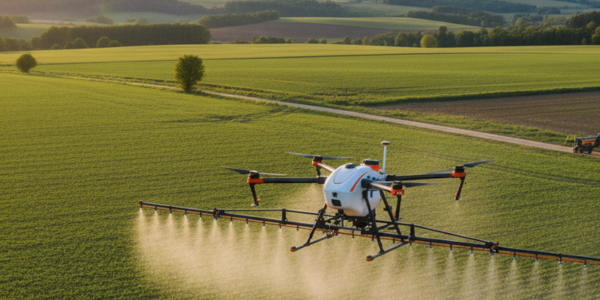
Traditional methods of spraying fertilizers and pesticides often result in uneven application, excessive chemical use, and potential health risks to farmers. Drone-based spraying systems eliminate these issues by ensuring accurate and uniform distribution across crops. Modern drones can be pre-programmed with flight paths, ensuring that chemicals are applied only where needed, in the correct dosage.
Farmers using drones for spraying report reductions in chemical usage by up to 40–60%, along with significant time and labor savings. A single drone can cover multiple acres in an hour, which not only speeds up the process but also ensures timely treatment—crucial for preventing pest outbreaks or nutrient deficiencies. Furthermore, drones are particularly useful in difficult terrains, such as hilly regions or flooded paddy fields, where ground-based machinery cannot operate efficiently.
Beyond efficiency, the environmental benefits are noteworthy. Reduced chemical exposure protects both the farmer and the surrounding ecosystem, minimizing runoff into nearby rivers and preventing soil degradation. This sustainable approach aligns perfectly with the global push toward eco-friendly farming practices.
How drones support precision agriculture:
Soil Mapping and Health Analysis: Drones capture aerial imagery that reveals variations in soil moisture, fertility, and structure.
Targeted Fertilization: Sensors detect nutrient deficiencies, helping farmers apply fertilizers precisely, reducing waste by up to approx 25–30%.
Optimized Irrigation: Drones identify areas suffering from drought stress or waterlogging, allowing smart irrigation scheduling.
Pest and Disease Management: By detecting color and temperature changes in plants, drones help identify early pest attacks or infections.
This level of control not only saves money but also helps conserve soil quality and reduce environmental damage, paving the way for sustainable farming ecosystems.
Smart Irrigation and Water Management
Water scarcity remains one of the biggest challenges in global agriculture, and drones used for farming play a critical role in addressing this issue. Equipped with advanced sensors, drones capture real-time data on soil moisture and water distribution. This allows farmers to detect areas that are too dry or over-irrigated and make necessary adjustments immediately.
In countries like India, where drought conditions frequently affect crop productivity, drones have proven invaluable in optimizing water use. By mapping irrigation patterns, drones help farmers fine-tune drip systems, plan watering schedules, and reduce overall water consumption without affecting yield quality.
This smart approach to irrigation not only saves water but also enhances soil structure and prevents erosion. Over time, such practices promote sustainable land management and ensure that farmlands remain fertile and productive for generations.
Crop Health Monitoring and Pest Detection
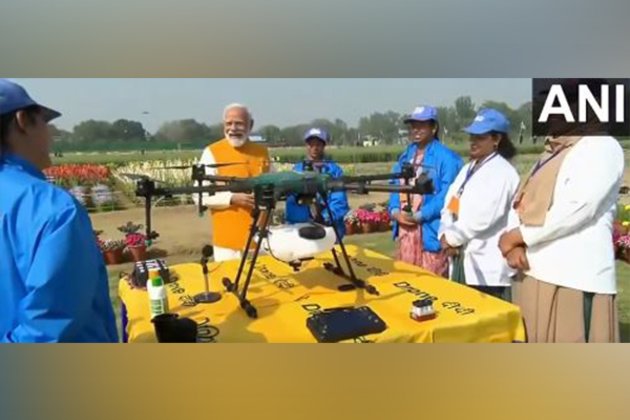
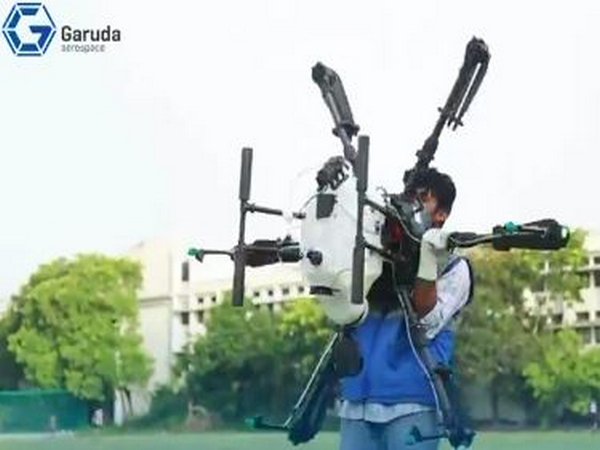
Crop health & Environmental Monitoring is at the heart of agricultural success, and drones have redefined how farmers monitor it. Instead of physically walking through fields, a process that is both time-consuming and prone to human error, farmers can use drone cameras to view their crops from above.Garuda Aerospace’s Kisan and Droni drones use high-resolution cameras to capture detailed aerial images of farmlands. These cameras help farmers monitor crop growth, identify uneven plant development, detect pest infestations, and assess overall field conditions with precision all from above, without the need for manual field inspection.
For instance, variations in color detected by drone cameras can indicate pest attacks, water stress, or nutrient deficiencies long before symptoms appear. This early detection allows farmers to act promptly, saving both crops and costs. Spraying or irrigation using drones ensures that resources are used only where necessary, reducing chemical dependency and preserving crop health.
Advantages of drone-based crop monitoring:
Early detection of crop stress before visible symptoms appear
Reduced yield loss through timely intervention
Data-driven decisions for spraying, fertilization, and irrigation
Enhanced crop uniformity and quality
With consistent monitoring, farmers gain a deeper understanding of their fields, improving decision-making and reducing dependency on guesswork.
Harvest Planning and Yield Forecasting
Accurate harvest timing can make the difference between profit and loss. Kisan drones help farmers determine the perfect harvest window by providing real-time data on crop maturity and field conditions. High-quality aerial images give farmers insights into which sections of the field are ready for harvest and which need more time to mature.
This data plays a vital role in improving overall farm efficiency. It enables farmers to plan labor allocation, organize storage, and streamline transportation logistics more effectively. With the advanced analytics provided by Garuda Aerospace’s agricultural drones, farmers can accurately forecast crop yields, make informed market decisions, and secure better prices for their produce. By identifying the ideal harvest window, these drones help ensure that crops are collected at their prime quality, reducing post-harvest losses and enhancing overall profitability.
Livestock Monitoring and Farm Security
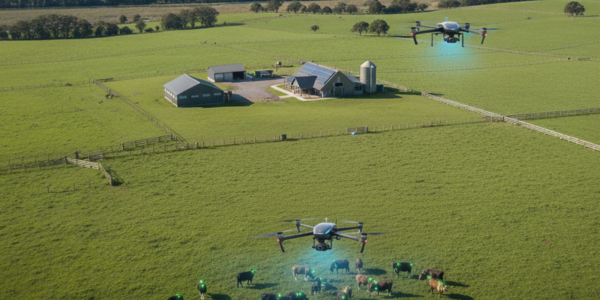
The utility of drones extends beyond crops—they are equally valuable in livestock management and farm security. For farmers managing large herds, keeping track of animals manually can be labor-intensive and inefficient. Drones, however, make this process seamless by providing an aerial view of the entire grazing area.
With high quality cameras & sensors, drones can monitor animal health, detect unusual body temperatures, and identify early signs of illness. They can also track herd movement, ensuring even grazing and preventing animals from straying too far. In addition, drones equipped with night-vision capabilities enhance farm security by monitoring for theft or predator threats.
By automating these surveillance tasks, drones save time, reduce labor costs, and ensure animal welfare—all key components of modern, as well as integrated farming systems.
Environmental and Ecosystem Monitoring
Agriculture and the environment are deeply interconnected, and maintaining this balance is vital for long-term sustainability. Drones are now being used not just for crop management but also for environmental and ecosystem monitoring. They collect crucial data on soil erosion, deforestation, and water quality, enabling both farmers and policymakers to make informed decisions.
In reforestation projects, drones can plant thousands of seeds across degraded lands within hours, speeding up ecosystem restoration. They also monitor vegetation cover and biodiversity, ensuring that agricultural activities do not harm the surrounding environment. In areas affected by industrial pollution, drones help detect contaminants in soil or water, allowing for faster intervention.
Through these applications, drones contribute to the broader goal of sustainable agriculture—boosting food production while protecting the planet’s natural resources.
The Financial Impact: Cost Savings and Long-Term Returns
The adoption of drones is not just a technological upgrade—it’s a financially sound investment. Farmers who integrate drones into their operations see immediate cost reductions through balanced resource usage and improved efficiency. By minimizing fertilizer, pesticide, and water waste, operational expenses drop significantly.
In addition, drones reduce dependency on manual labor, especially during peak farming seasons. For small and medium-scale farmers, this translates to lower costs and faster turnaround times. Many governments, including India’s, support drone adoption through subsidy programs such as the Sub-Mission on Agricultural Mechanization (SMAM), which can cover up 40 - 50% of the equipment cost.
Over time, drones provide an impressive return on investment through increased productivity, better crop quality, and reduced environmental impact. For modern farmers, this technology is no longer a luxury—it’s an essential tool for sustainable profitability.
Conclusion
The rise of drones for farming marks a defining chapter in the story of global agriculture. What was once a labor-intensive, unpredictable endeavor has evolved into a data-driven, efficient, and environmentally conscious practice. From monitoring soil and crops to optimizing water use and ensuring livestock safety, drones are empowering farmers to make smarter, faster, and more sustainable decisions.
With innovators like Garuda Aerospace driving advancements in drone technology, the impact of aerial solutions in farming continues to expand. As technology advances with AI, machine learning, and IoT integration, the role of drones will only grow stronger. Farming is no longer confined to the ground; it’s powered by the sky. The future of agriculture is intelligent, sustainable, and interconnected—and drones are leading the way toward that transformation.