.png)
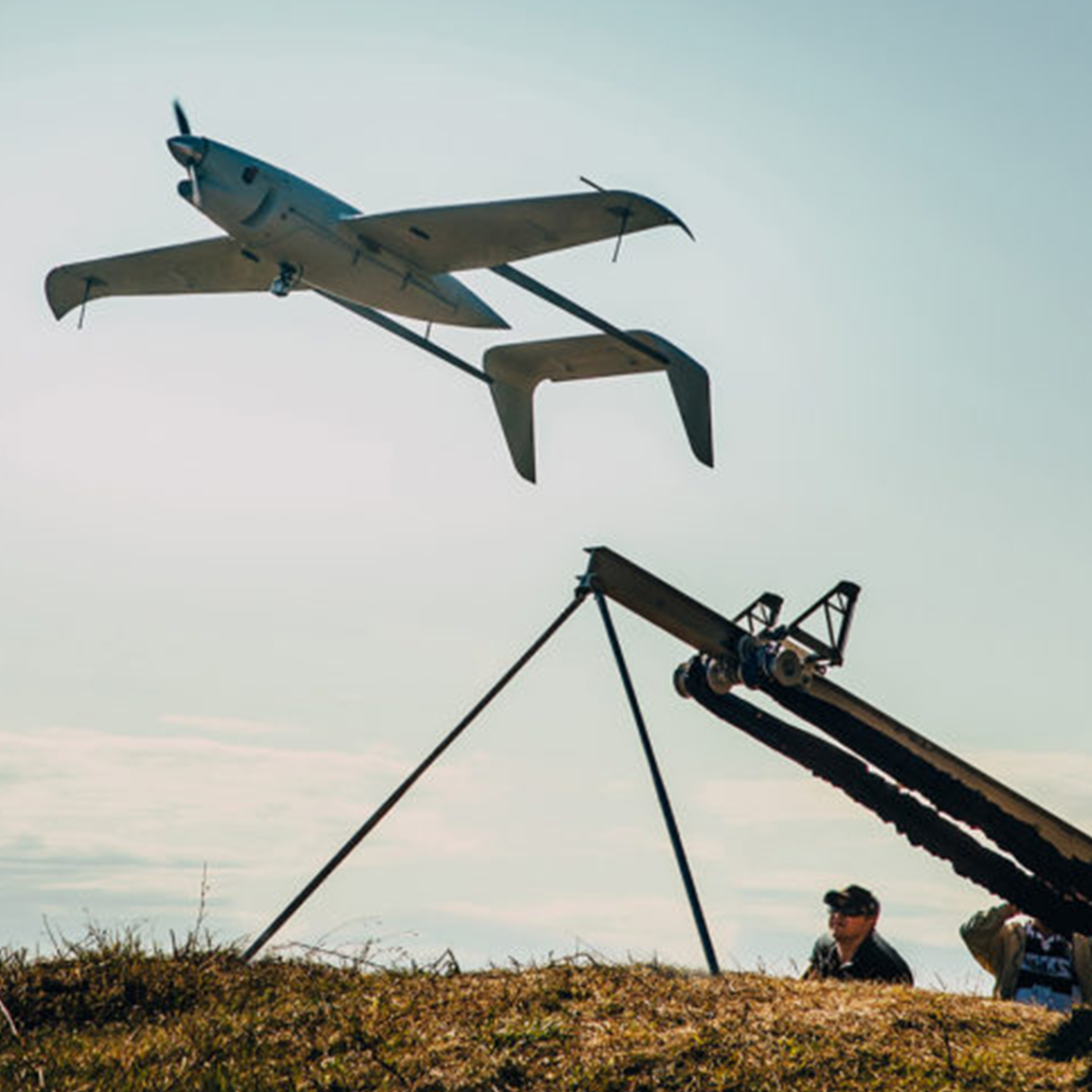
Industries around the world are being transformed by next-generation aerial technology that allows operations once limited by range and accessibility. From surveying vast agricultural lands to inspecting remote infrastructure and supporting rescue missions, these advanced machines are pushing the limits of what’s possible. Long distance drones are now at the forefront of this transformation bridging the gap between innovation and practicality. With their extended flight ranges, intelligent navigation systems, and powerful batteries, they’re redefining what aerial efficiency and connectivity mean in today’s fast-moving world.
From rural farmlands to bustling industrial sites, these drones have become indispensable tools for modern businesses, governments, and farmers alike. They combine speed, intelligence, and endurance to offer a cost-effective alternative to manned aircraft and traditional data collection methods. As technology continues to advance, long distance drones are paving the way for a smarter, safer, and more connected future.
The Evolution of Drone Technology
The journey of drones from simple hobbyist gadgets to powerful long-range machines is nothing short of remarkable. In the early days, drones were used primarily for photography and recreational purposes, limited by their short flight durations and low payload capacities. However, rapid advancements in aerodynamics, battery efficiency, and artificial intelligence have led to a new generation of UAVs (Unmanned Aerial Vehicles) capable of flying farther, faster, and smarter than ever before.
These drones are now equipped with GPS navigation, obstacle avoidance, and real-time data transmission capabilities. With improvements in battery technology, efficient brushless motors, and lightweight composite materials, flight endurance and range have increased dramatically. Some professional drones can now cover distances exceeding 10–20 kilometers on a single charge, while specialized models can travel even farther.
This evolution has expanded drone applications across industries such as agriculture, defense, logistics, and infrastructure. Long distance drones are no longer just tools, they are an integral part of strategic planning, data analysis, and sustainable operations.
Related Read: How Many Types of Drones Are There? A Deep Dive into Drone Categories
Key Features that Define Long Distance Drones
The true strength of long distance drones lies in their combination of endurance, intelligence, and adaptability. Below are the defining features that make them stand out:
Extended Flight Range:
These drones are designed for missions that require covering large geographical areas, often ranging from 10 to 50 kilometers. Advanced battery systems and aerodynamic frames allow longer flight times without frequent recharging.
High-Endurance Batteries:
High-capacity lithium-polymer or hybrid fuel systems power these drones, allowing them to operate for 30 minutes to several hours, depending on the model.
GPS & RTK Navigation:
Real-time kinematic (RTK) systems enhance positional accuracy, ensuring precise mapping, surveying, and data capture even in remote locations.
Obstacle Detection and Avoidance:
Long-range drones feature intelligent sensors that detect and avoid trees, towers, or terrain obstacles during flight.
Payload Flexibility:
From high-resolution cameras to sensors and sprayer tanks, these drones can carry a variety of payloads depending on mission requirements.
These technologies make long distance drones an essential tool for industries that demand precision, scalability, and reliability.
Agricultural Applications: Revolutionizing Farmland Management
.jpg)
In agriculture, distance and accessibility often determine the efficiency of farming operations. Long distance drones are now solving this challenge by allowing farmers to monitor, map, and manage vast fields from a single control point.
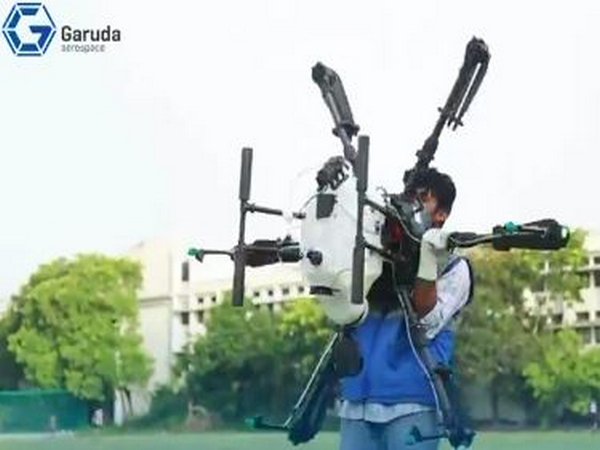
Using drones such as the Kisan Agri Drone, farmers can perform high-resolution mapping of thousands of acres, analyze soil health, detect pest infestations early, and plan irrigation schedules with precision. These drones enable precision spraying, applying pesticides and fertilizers only where needed, thus reducing chemical usage and preventing environmental damage.
Farmers can also use drones to assess crop maturity, plan harvesting schedules, and monitor yield variations. The result is not just time and cost savings but also improved sustainability through smarter resource utilization.
Related Read: Types of Drone Applications in Agriculture: Inside Garuda’s Game-Changing Agri Drone
Infrastructure and Construction: Inspection Made Easier
Infrastructure projects whether bridges, pipelines, or highways require regular monitoring to ensure safety and progress tracking. Traditional inspections often involve manual effort, expensive machinery, and considerable risk. Long distance drones, however, can easily access these hard-to-reach sites and provide high-definition visual data in real-time.
Drones like the Droni Drone are equipped with 1080p HD cameras They can fly across construction sites, map large territories, and provide detailed topographical information. Project managers can make instant decisions based on drone-generated reports, reducing delays and improving efficiency.
In addition to visual inspections, drones can carry infrared and thermal sensors to detect structural weaknesses or heat leaks, making them essential tools for maintenance teams.
Mining Operations: Enhancing Safety and Efficiency
Mining is one of the most dangerous and logistically challenging industries. Surveying mines manually poses significant risks, especially in deep pits or unstable terrains. Long distance drones are transforming this process by enabling safe, efficient, and precise data collection from above.
They can create maps of mining sites, track stockpile volumes, and identify hazardous zones without exposing workers to danger. This aerial perspective also helps companies manage resources more effectively, estimate yield, and maintain compliance with environmental regulations.
By adopting drone-based monitoring, mining operations can reduce downtime, lower costs, and improve safety all while gaining high-quality data for decision-making.
Security and Surveillance: Guarding with Greater Reach
.jpg)
Security forces, disaster management teams, and law enforcement agencies have increasingly adopted long distance drones to monitor large areas efficiently for enhanced security and surveillance. These drones are particularly useful in border surveillance, crowd management, and disaster response.
Equipped with thermal cameras, night vision, and long-range transmitters, they can detect intrusions and monitor movements. In the event of natural disasters, such as floods or earthquakes, long-range drones can assess damage, locate victims, and deliver supplies to inaccessible areas. Their ability to operate autonomously and transmit real-time visuals makes them invaluable for public safety missions. Governments and private security firms alike are integrating drone fleets to enhance their situational awareness and operational readiness.
Environmental and Ecosystem Monitoring
Drones can cover massive forested regions, coastlines, or mountain ranges to monitor biodiversity, deforestation, and climate-related changes. They can also support environmental and ecosystem monitoring, using thermal and multispectral imaging to track soil health, water distribution, and vegetation cover, providing essential data for sustainable land management. Organizations can use this data to implement conservation strategies, monitor endangered species, and reduce human interference in sensitive habitats. By providing a bird’s-eye view of the environment, long distance drone technology empowers policymakers and researchers to take informed actions for the planet’s well-being.
Industrial Logistics and Delivery
In logistics and supply chain management, long distance drones are introducing a new era of automation. They can transport small payloads, deliver essential goods to remote areas, and reduce reliance on traditional transportation infrastructure.
For industries like oil and gas, where pipelines stretch across hundreds of kilometers, drones offer an efficient inspection method to detect leaks, corrosion, or damages without the need for physical patrols. Similarly, e-commerce and healthcare sectors are exploring drone delivery to speed up operations, particularly in rural or disaster-hit areas where ground transportation is limited. This technology not only saves time but also cuts operational costs and emissions, making logistics greener and smarter across industry and logistics environments.
Training: The Foundation for Drone Excellence
Owning a long distance drone is one thing, but operating it safely and efficiently is another. That’s why professional drone pilot training is essential. Training programs, such as those offered by Garuda Aerospace, prepare pilots to handle high-performance drones like the Kisan Agri Drone and Droni Drone with confidence.
Through comprehensive courses ranging from beginner to instructor levels trainees learn about flight theory, mission planning, maintenance, safety protocols, and data analysis. These programs are approved by the Directorate General of Civil Aviation (DGCA) and are designed to meet both national and international standards.
Certified drone pilots not only enhance their career prospects but also contribute to safer skies by ensuring compliance with aviation regulations. In industries such as agriculture, mining, or infrastructure, trained pilots are invaluable assets who can make informed decisions based on aerial data.
The Future of Long Distance Drones
As technology advances, the potential of long distance drones continues to expand. Innovations in battery technology, AI-based navigation, and real-time data analytics are set to increase their efficiency and reliability. We’re moving toward a future where drones will operate in coordinated networks, communicating with each other to map, monitor, and manage large territories autonomously. This evolution also unlocks significant opportunities in Energy and utility sectors, where drones can inspect power lines, monitor grids, and support large-scale asset management with unmatched precision.
In agriculture, these drones will support fully automated farming operations. In cities, they’ll manage traffic and infrastructure inspections. In defense, they’ll ensure border security with precision. Their growing role in Energy and utility applications from turbine inspections to solar farm monitoring further highlights how essential they have become across industries. The versatility of long distance drones ensures they’ll remain at the forefront of industrial transformation for years to come.
Long distance drones represent the next frontier of aerial innovation. By combining power, endurance, and intelligence, they have revolutionized how industries operate, monitor, and grow. From Kisan Agri Drones optimizing farms to Droni Drones capturing high-definition landscapes, and from environmental monitoring to defense surveillance, these drones are driving global progress across sectors, including manufacturing and warehousing where automation and aerial oversight are becoming essential.
As the world adopts smarter technologies, the ability to “go farther, faster, and smarter” will define success and long distance drones are leading that charge. With proper training, responsible usage, and continued innovation, these UAVs are not just tools of convenience; they’re shaping a future where efficiency, sustainability, and safety soar to new heights.